Why are Australian Women Ignoring Their Hearing Health?

We often hear about the mental load that women carry. From managing household schedules to juggling careers and caring for elderly parents, the list of responsibilities feels endless. Recent data from Hearing Australia suggests that this selfless approach comes at a specific cost. Their latest survey reveals that Australian women are significantly less likely to prioritise their hearing health compared to men. While we are often the first to book a hearing test for a partner or a child, we tend to put our own sensory needs on the back burner.
This trend is not a matter of women having better hearing. In fact, roughly one in three Australians will experience some form of hearing loss during their lives. The issue lies in the delay between noticing a problem and acting. On average, people wait seven to ten years before addressing hearing difficulties. For women, that gap can be even wider because we tend to adapt. We subconsciously lean in closer, we learn to read lips, or we simply start avoiding noisy environments where conversation feels like hard work.
The Silent Gap in Women’s Healthcare
The survey results act as a wakeup call. If you have been finding it harder to catch the punchline of a joke or if the television volume has crept up lately, you are not alone. However, ignoring these signs does not just make life a bit quieter. It changes how your brain processes the world around you.
Understanding why we stall is the first step toward change. Many women associate hearing loss with old age, a stereotype that no longer fits the reality of our noisy, modern lives. We live in a world of high volume podcasts, loud fitness classes, and bustling open plan offices. Hearing issues can affect us at any stage of life. When we view hearing care as a part of general wellness rather than a sign of aging, the stigma begins to fade.
The Cognitive Connection
High quality research shows a clear link between untreated hearing loss and cognitive decline. The Lancet Commission on Dementia regularly lists hearing loss as one of the most significant risk factors for cognitive health, and it’s also the easiest risk factor to correct.
The reason hearing loss increases cognitive decline is because when the brain has to work incredibly hard just to decode sounds, it has less energy left for memory and high level thinking. This is why addressing a hearing issue early is a smart move for your long term brain health.
The technology available today is a far cry from the bulky devices of the past. If you are worried about things sounding artificial, brands like Oticon offer a different approach. Their Brain Hearing philosophy focuses on supporting the way your mind naturally interprets sound. Instead of just making everything louder, it provides the brain with the full soundscape it needs to stay sharp, and you can try the sound out for yourself at home. This is particularly helpful for women who feel exhausted after a day of social interaction, whether from hearing difficulties or a combination of hearing difficulty and sensory issues.
While Oticon focuses on the mind, Starkey takes a holistic approach by looking at your physical health too. These clever devices use smart technology to monitor your daily activity levels and even include fall detection alerts for extra peace of mind. They excel at filtering out background clutter, which makes them a reliable companion for staying active and confident in bustling environments. By combining safety features with high quality sound, these devices become a supportive partner in your overall wellness journey.
What to Expect from a Hearing Assessment
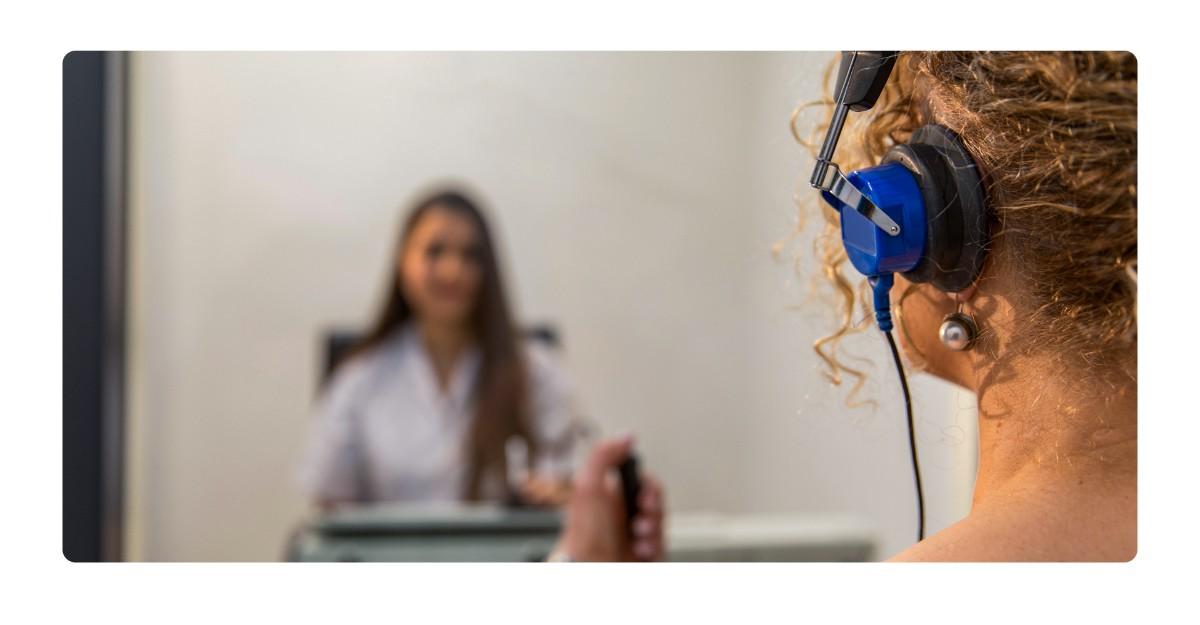
Taking a hearing test should be as routine as a dental check-up or an eye exam. The process is straightforward, quick, and painless. Our Melbourne audiologists will assess your ability to hear different frequencies and how well you understand speech in various conditions. This data provides a baseline for your health. Even if your hearing is currently fine, having a record of it allows you to track any changes over the years.
Practicality often wins out in our busy lives. Many women worry about the maintenance of hearing aids or the cost involved. However, the cost of doing nothing is often much higher. Untreated hearing loss leads to social isolation. When you cannot hear clearly, you might stop going to book club or start turning down invitations to parties. This withdrawal affects your emotional wellbeing and your connections with friends and family.
Technology for Natural and Invisible Sound
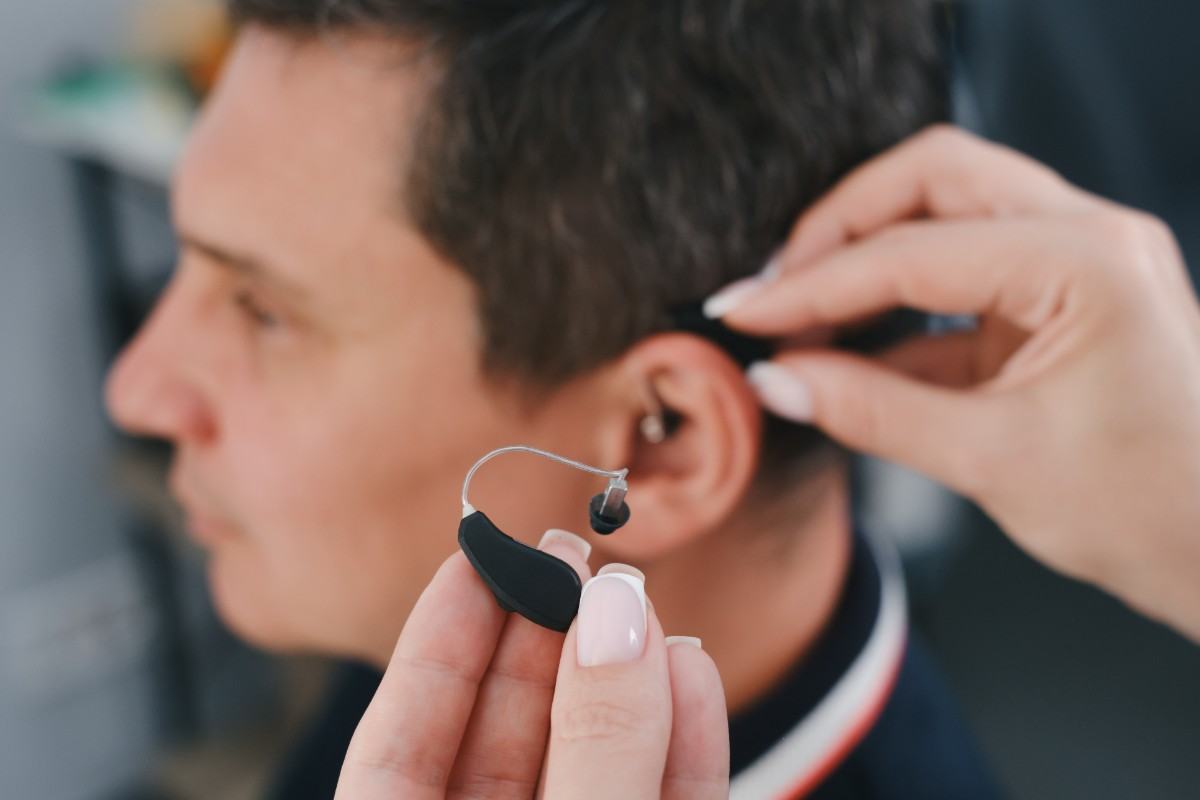
If you are stalling because you are worried about how a device might look, you will be surprised by modern designs. Gone are the days of obvious, beige hardware. Today, manufacturers focus on creating hearing aid technology that is incredibly discreet. Many models are virtually invisible when worn, tucked away neatly within the ear canal or hidden behind the ear with wires thinner than a strand of hair. Some designs look like high end tech accessories or sleek wireless earbuds rather than medical tools.
The focus of modern engineering has shifted from mere amplification to the creation of a much more natural sound. Older devices often created a robotic or tinny effect that many women found distracting. Current technology uses advanced sensors to scan the environment hundreds of times per second. This allows the device to balance sounds accurately, ensuring your own voice sounds natural and the world around you feels authentic. You get the richness of a bird chirping or the subtle notes in a piece of music without the harshness of artificial processing.
Changing the Conversation Around Self-Care
The Hearing Australia survey highlights that we need to change the conversation around women and self-care. Prioritising your hearing is not a selfish act. When you hear better, you communicate better. You are more present in your relationships and more effective in your workplace. You are also taking a proactive step to protect your cognitive future.
If you have been noticing that the world sounds a little muffled, do not wait another five years to act. Think about the last time you sat in a cafe and struggled to hear your friend across the table. Think about the frustration of missing a key detail in a meeting. These moments are signs that your ears need a little support.
We should use the results of this survey to empower ourselves. We can choose to be the generation of Australian women that breaks the cycle of delay. By embracing technology from leaders like Oticon, Bernafon, and Starkey, we can ensure that our hearing remains as sharp as our minds.
Take the First Step with Our Audiology Clinics in Melbourne
The next step is simple. Book a professional hearing assessment. It takes less than an hour and provides you with a clear picture of your auditory health. Use the information to make an informed choice about your lifestyle. Whether you need the natural sound processing of Oticon, the musical clarity of Bernafon, or the fast acting noise control of Sonic, there is a hearing aid solution that fits your life.
We spend so much of our time listening to others. It is time we listened to what our own bodies are telling us. Hearing health is a vital pillar of overall wellness. By moving it to the top of your priority list today, you are investing in a clearer, more connected future. Do not let another year pass by in silence or struggle. Take charge of your hearing health and stay part of every conversation that matters.
Our hearing connects us to the people we love and the world we live in. The sounds of a kookaburra in the morning, the laughter of a grandchild, and the nuances of a favourite song are all precious. When we ignore our hearing health, these experiences begin to fade. The Hearing Australia data shows that many of us are letting this happen unnecessarily.
Let this be the moment you decide to change that statistic. Reach out to a professional and start the conversation. You deserve to hear every word, every note, and every whisper. Your hearing is worth the effort, and your future self will thank you for acting now. Focus on the results you want for your life and choose the high quality care that will get you there. Staying informed and proactive is the best way to ensure you never miss a moment of the life you have worked so hard to build.
.jpeg)
earLAB is Here to Support Women’s Health
If you are ready to take that first step toward better hearing, our team at earLAB is here to help. We understand that booking a test can feel like a big move, so we focus on making the experience comfortable and informative. With clinics located in Richmond and Footscray, we provide a local and expert service for the Melbourne community.
Our services go beyond standard check-ups. Whether you require a comprehensive hearing assessment or gentle ear wax removal via micro-suction, we offer the professional care you deserve. We work with leading brands like Oticon, Bernafon, and Starkey, to ensure you find a solution that matches your unique lifestyle and preferences. You do not have to navigate these changes alone. Book an appointment at earLAB to regain your confidence and stay connected to the sounds you love.
FAQS
What are the early signs that I should book a hearing assessment?
If you find yourself turning up the television or struggling to catch conversations, especially in busy environments, it is time for a check-up. Many women feel particularly exhausted after social events because their brains work harder to process sound. Our earLAB audiologists in Melbourne help you identify these subtle changes through a quick and comfortable assessment at our local clinics.
How does untreated hearing loss impact my long term brain health?
Research reveals a strong link between hearing loss and cognitive decline, including dementia risks. When your brain struggles to decode muffled sounds, it has less energy for memory and complex thinking. But this risk can be measurably reduced by using hearing aids. Visit earLAB in Footscray or Richmond to learn how protecting your hearing keeps your mind sharp.
How uncomfortable or obvious are hearing aids today?
Modern devices are incredibly discreet and often sit invisibly inside the ear canal. Some designs look more like stylish wireless earbuds than traditional medical tools, and many sit right inside the ear canal. You can explore these sleek options at earLAB. Our experts help you find a comfortable fit that matches your personal style while providing the clear sound you need to stay connected to your life. Book an appointment today.
Do hearing aids make hearing sound artificial?
Not with the latest technology! If you want a very natural hearing experience, Oticon hearing aids area good choice. Their technology focuses on how the brain interprets sound rather than simply making every noise louder. This removes the robotic quality found in older devices. You can try these natural soundscapes at our earLAB locations in Melbourne. We ensure your own voice and the world around you sound completely authentic.
Can hearing technology help me monitor my physical health?
Brands like Starkey take a holistic approach by monitoring your daily activity levels. These clever devices even feature fall detection for extra peace of mind. They are excellent at filtering out background noise in busy gyms or offices. Book your appointment at earLAB in Footscray or Richmond to see how these tools support your overall wellness journey while keeping you active and safe.

Lisa Wong
BHSc(Psych). DipNatHT. DipHDPE. CertAuralMicrosuction. AACAud
More Articles