Bluetooth, Apps, and AI: Hearing Aids Today are Game-Changing Smart Devices

If you tried hearing aids years ago and walked away frustrated, you’re not alone! The older versions suffered from whistling feedback, bulky shapes, and that slightly unnatural sound that made everything feel amplified but not clearer.
The good news is that's all changed!
Over the last decade, hearing aids have gone through a quiet but powerful transformation. They now look different, feel different, and most importantly, they sound different. For many people, the experience of using hearing aids is closer to natural hearing than they ever expected.
Let’s break down what has actually changed and why it matters in everyday life.
The biggest shift: From loudness to clarity
Older hearing aids focused on one thing. Volume. The problem was that everything got louder, including background noise. That is why busy places like restaurants or family gatherings still felt exhausting.
Modern devices approach sound completely differently.
They use advanced processing and AI to separate speech from noise. Instead of turning everything up, they:
- Identify voices and bring them forward
- Reduce competing background sounds
- Adjust instantly as your environment changes
This happens automatically. You can walk from a quiet room into a noisy street and the device adapts without you touching anything, reducing listening fatigue and improving communication.
How hearing aids look and feel today
Let’s talk about something people often worry about but rarely say out loud. Appearance!
Hearing aids used to be obvious. Now, modern hearing aids are designed to be subtle, modern, and in many cases, barely noticeable.
You have options like:
- Completely-in-canal designs that sit deep inside the ear
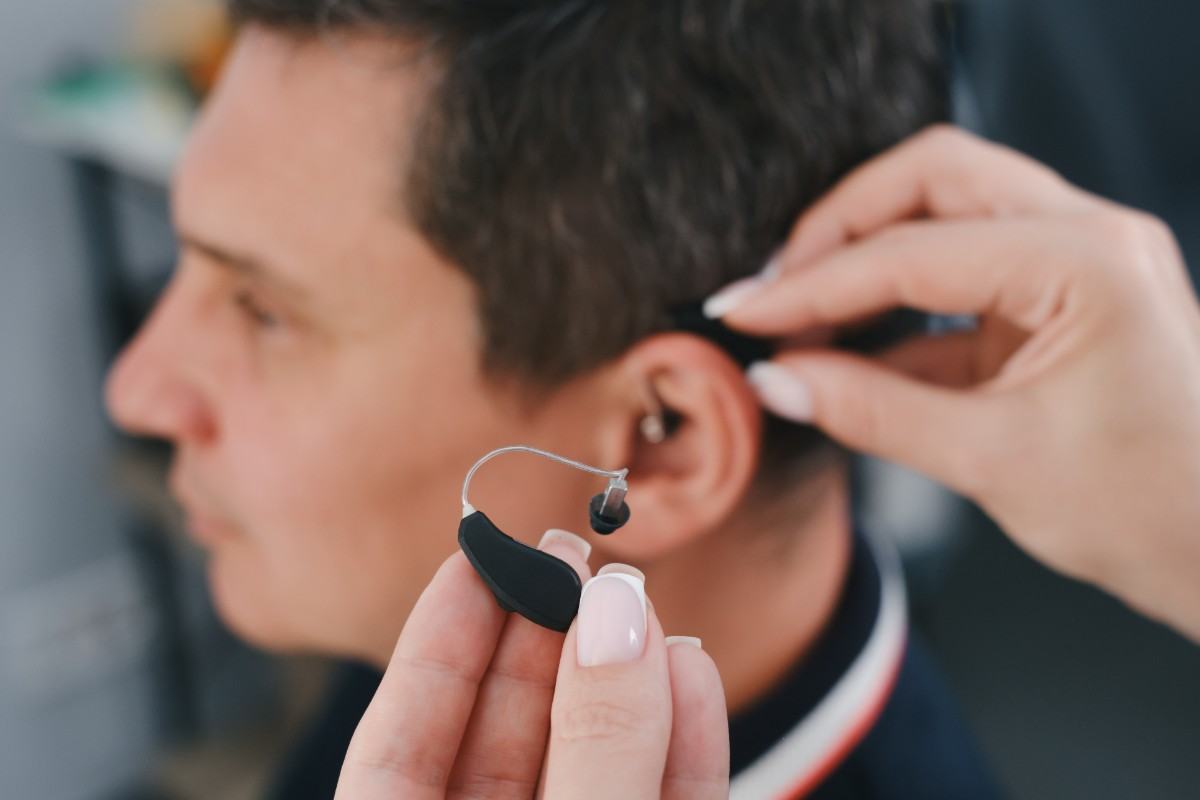
- Receiver-in-canal styles that are slim and lightweight
- Behind-the-ear models that look more like sleek tech than medical devices
They are smaller, smoother, and built with materials that sit comfortably for long periods.
What surprises most people is how little they notice them after a few days. No constant adjusting. No irritation. Just something that becomes part of your routine, like putting on a watch.
There is also more personalisation. Colours, shapes, and fittings can be tailored so the device feels like yours, not something generic.
AI that learns how you live
Artificial intelligence has changed how hearing aids behave in real life.
Instead of fixed settings, modern devices respond to your habits and preferences. They recognise patterns and adjust based on how you use them.
For example:
- If you regularly lower the volume in noisy cafés, the device starts doing it for you
- If you prefer more clarity during conversations, it prioritises speech automatically
- If you move between environments often, it adapts seamlessly
Brands like Phonak, Oticon, and Signia have invested heavily in this kind of adaptive technology.
The result is a listening experience that feels less mechanical and more intuitive. You are not constantly thinking about your hearing aids. They just work.
Bluetooth, apps, and total control
One of the biggest lifestyle upgrades is connectivity.
Modern hearing aids can link directly to your phone, TV, and other devices. That means your hearing aids double as wireless earbuds in many situations.
You can:
- Take calls hands-free
- Stream music, videos, and podcasts directly into your ears
- Adjust settings using an app
- Fine-tune your experience depending on where you are
If you are using something like an Apple iPhone or an Android device, the connection is straightforward and reliable.
Some apps even allow remote adjustments from your audiologist. Instead of booking multiple appointments, small changes can be made quickly and easily.
Comfort features you will notice (and some you won’t!)
Comfort plays a bigger role than most people expect. If a hearing aid feels awkward or intrusive, it is far less likely to be worn consistently. That is why modern designs focus heavily on how they sit, seal, and breathe in the ear.
Soft silicone domes are commonly used in receiver-in-canal devices. They flex gently with movement and reduce pressure, making them comfortable for long wear. For a more precise fit, custom moulds are shaped to your ear, improving both comfort and sound delivery.
Venting is another important feature. Small vents allow air and sound to pass through naturally, which helps reduce that “blocked” feeling in the ear. This also minimises occlusion, where your own voice can sound hollow or echoey. With the right setup, your voice sounds more natural and less amplified inside your head.
Many modern fittings also focus on pressure relief and balance. The result is simple. You forget you are wearing them.
Built for real life: Water resistance, durability, and everyday wear
Hearing aids are no longer delicate devices that need constant caution. They are designed to handle real life, including movement, sweat, and changing environments.
Most modern devices come with strong moisture resistance, often supported by protective coatings that repel water, dust, and debris. This is especially useful for people who exercise, spend time outdoors, or live in humid conditions.
Sweat protection is another key improvement. Whether you are walking, working, or at the gym, today’s hearing aids are built to keep performing without interruption.
Durability has also improved across the board. Stronger materials, better internal sealing, and more reliable components mean fewer issues and longer-lasting performance.
While they are not designed for swimming or full water exposure, they are more than capable of handling daily life. You can wear them with confidence, knowing they are built to keep up with you, not slow you down.
What changes in your day-to-day hearing
This is where it really matters. Not the features, but the impact.
When hearing aids are properly fitted and adjusted, people often notice:
- Voices sound clearer, not just louder
- You can follow conversations without constantly concentrating
- Background noise feels less overwhelming
- You feel more aware of your surroundings
- Listening becomes less tiring over the course of the day
Many people also notice something unexpected. They start hearing small, everyday sounds again. Footsteps, birds, the hum of a fridge, the subtle details that fade over time when hearing changes.
Studies have linked improved hearing with better social engagement and reduced cognitive load. In practical terms, it means it's much easier for you to stay present in conversations instead of drifting in and out.
The importance of a proper hearing test and fitting
All this technology only works well when it is tailored to you.
A hearing test is not just about confirming hearing loss. It maps out exactly how you hear across different frequencies and environments.
At earLAB, hearing tests are designed to give you a clear understanding of your hearing and what will actually help. From there, your hearing aids are fitted and adjusted carefully over time.
This process matters because your brain needs to relearn certain sounds. That adjustment period is normal, and with the right support, it becomes much easier.
If you are based in Melbourne, earLAB’s clinics in Footscray and Richmond provide both testing and ongoing care, so you are supported from start to finish.
Understanding the cost of hearing aids in Australia
Hearing aids are an investment, and it is important to understand what you are paying for.
In Australia, prices generally range from $1,500 to over $8,000 per pair.
That difference comes down to:
- Level of technology and processing power
- AI and noise management capabilities
- Bluetooth and connectivity features
- Rechargeable vs battery-operated models
- Ongoing care and adjustments
Higher-end models tend to perform better in complex listening environments, but not everyone needs that level.
Making hearing aids more affordable and accessible
There are several practical ways Australians can manage the cost of hearing aids without compromising on quality or results.
Government support
Government support is often the first place to start. The Hearing Services Program provides subsidised or fully funded devices for eligible individuals, including pensioners and veterans. If you qualify, this can significantly reduce out-of-pocket costs and make hearing care far more accessible.
Private health insurance
Private health insurance can also help. Some extras policies include benefits for hearing aids, although the level of cover varies. It is worth reviewing your policy or speaking with your provider to understand what is included before making a decision.
Flexible payment options
Many clinics now offer flexible payment options as well. Instead of paying the full amount upfront, you can spread the cost over manageable instalments. This approach makes higher-quality devices more achievable for many people.
Choosing the right technology level
Another important factor is choosing the right level of technology. Not everyone needs or wants all the bells and whistles that premium hearing aids have. A personalised recommendation from an audiologist ensures you are investing in what you will actually use and benefit from.
The key is to focus on value. A well-fitted hearing aid that suits your lifestyle will always deliver better results than a more expensive option that does not feel right or get worn consistently.
Choosing hearing aids that fit your life
There is no universal solution. The right hearing aid depends on how you live.
Think about:
- Where you spend most of your time
- How often you are in social settings
- Whether you want connectivity with your devices
- What feels comfortable to wear every day
An experienced audiologist will guide you through these decisions so you are not guessing.
Modern hearing aids make a real difference
Hearing aids have changed more in the last decade than most people realise.
They are smaller, smarter, and far more comfortable. They connect with your devices, learn your preferences, and help you hear in a way that feels natural.
Most importantly, they reduce the effort involved in listening. And that changes how you experience your day.
If you have been unsure or putting it off, start with a hearing test. Get clear answers, explore your options, and see what modern hearing technology can actually do.
You might find it is a very different experience from what you expected!
Start your hearing journey with expert, independent care at earLAB in Richmond or Footscray
Choosing hearing support is a big step, and having the right team makes all the difference. At earLAB, care comes first. Our audiologists are not driven by sales targets and are not tied to a single manufacturer, so every hearing aid we recommend is based on what actually suits you.
From your first hearing test through to hearing aid fitting and ongoing support, the focus is on getting real results that feel natural in your day-to-day life. You will have access to a wide range of leading hearing aid brands, along with guidance that helps you make confident decisions.
We also support multiple funding pathways, including private options, WorkCover, and the Australian Government Hearing Services Program, making the process simpler and more accessible.
Book your appointment at our clinics in Footscray or Richmond today!

Lisa Wong
BHSc(Psych). DipNatHT. DipHDPE. CertAuralMicrosuction. AACAud
More Articles