How Do I Unblock My Ears at Home?

Most people know the feeling. Someone wakes up after a long weekend at the Peninsula, or gets off a flight into Tullamarine, or simply notices one morning that the kettle sounds strangely far away. One ear feels full, as if it's been stuffed with cotton wool. Voices sound dull. Their own voice booms oddly inside their head.
A blocked ear is common and usually harmless, but it's easy to make worse. The good news is that many mild blockages clear with patience, a little olive oil and a light touch. The key is working out what's actually causing the problem first, because not every "blocked" ear has anything to do with wax.
What's going on inside the ear?
The ear canal is a short tunnel, roughly 2.5 centimetres long in adults, that runs from the outer ear to the eardrum. Glands in the outer part of the canal produce cerumen, the medical name for earwax. Wax isn't dirt. It traps dust, repels water and has mild antibacterial properties.
Here's the detail many people miss: the ear cleans itself. The skin lining the canal grows slowly outwards, a bit like a conveyor belt, and jaw movements from talking and chewing help carry old wax towards the opening, where it dries and falls away.
Problems start when this system gets disrupted. Earwax is more likely to build up in people who:
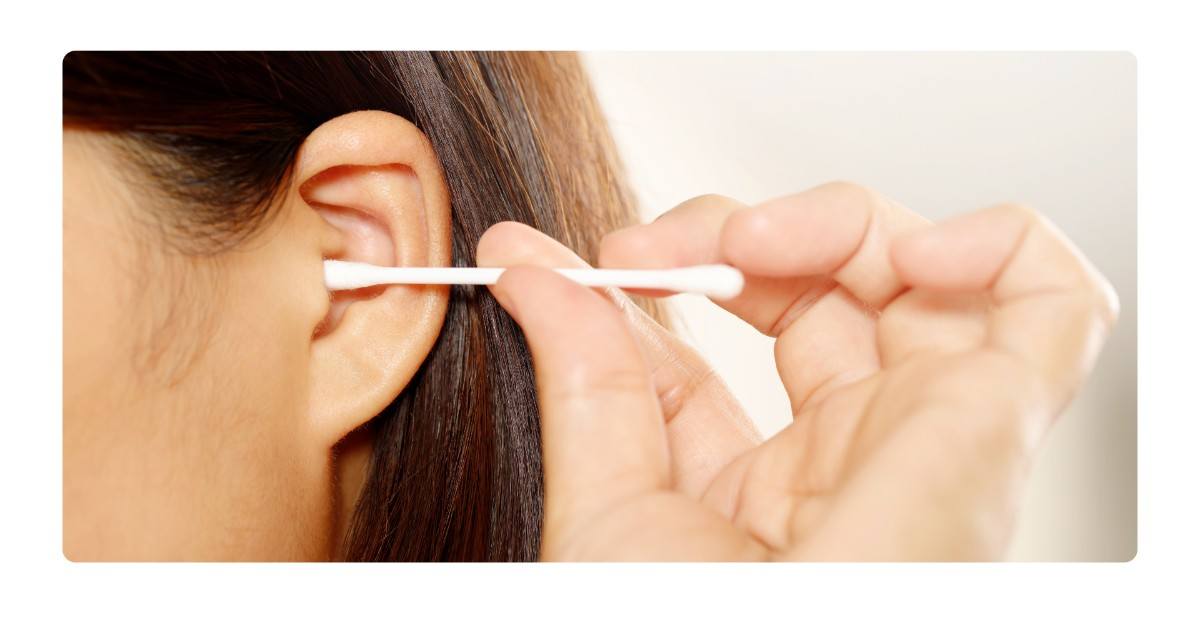
- regularly use cotton buds, which push wax deeper instead of removing it
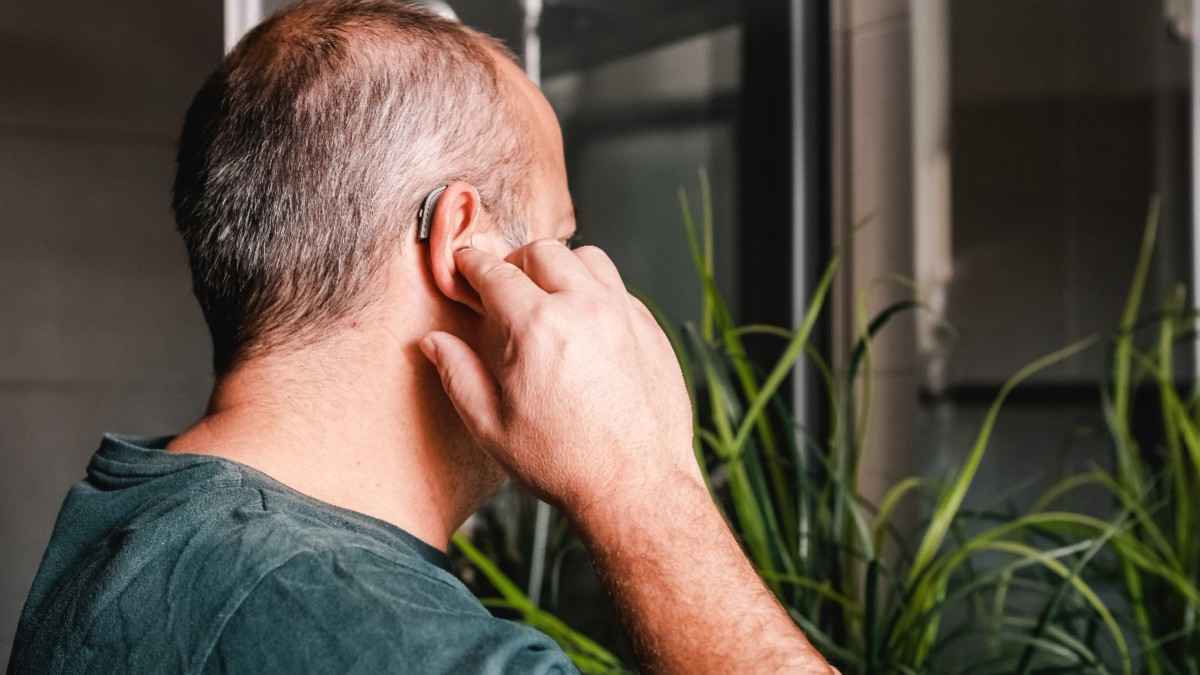
- wear hearing aids, earplugs or in-ear headphones for long periods
- have narrow or hairy ear canals
- are older, as wax tends to become drier and harder with age
- naturally produce more wax than average
Ear wax blockage is a harmless event in most cases, but it can still cause muffled hearing, a sense of fullness, ringing (tinnitus), itching and occasionally dizziness.
Is it wax, or something else?
This is the question worth pausing on, because two very different problems can feel almost identical.
The first is wax impaction, where wax builds up and blocks the outer ear canal. The second is Eustachian tube dysfunction, often shortened to ETD.
The Eustachian tube is a narrow passage connecting the middle ear (behind the eardrum) to the back of the nose and throat. It opens when someone swallows or yawns, balancing air pressure on both sides of the eardrum. When a cold, sinus congestion or hay fever inflames that tube, it can stay shut, leaving the ear feeling full and muffled
For Melburnians this matters more than it might seem. Spring brings the city's notorious pollen season, and anyone who's lived through this knows how quickly hay fever can turn into blocked sinuses! A stuffy ear during a pollen-heavy week is more likely to be a pressure problem than a wax one.
Some clues can help tell them apart
More likely to be wax:
- Onset: Comes on gradually, or suddenly after swimming or showering
- Popping or crackling when swallowing: Uncommon
- Other symptoms: Itching, and sometimes visible wax
- Swallowing or yawning: Makes no difference
More likely to be the Eustachian tube:
- Onset: Comes on with a cold, allergies, flying or diving
- Popping or crackling when swallowing: Common
- Other symptoms: A runny or blocked nose, or sinus pressure
- Swallowing or yawning: Can bring brief relief
These are clues, not a diagnosis. The only reliable way to know is for a GP or audiologist to look inside the ear with an otoscope, a small lighted instrument. It takes less than a minute and doesn't hurt.
If the problem seems pressure-related, olive oil won't help, because the blockage sits behind the eardrum. Gentle swallowing, yawning, chewing gum or treating the underlying congestion usually makes more sense.
When home treatment isn't a good idea
Before trying anything at home, it's worth ruling out situations where putting anything in the ear could cause harm. Someone should see a GP rather than treating the ear themselves if they have:
- ear pain, especially sharp or worsening pain
- discharge, blood or a bad smell from the ear
- fever
- sudden hearing loss, or hearing loss in one ear with no obvious cause
- significant dizziness or vertigo
- a known or suspected perforated (torn) eardrum
- grommets (tiny ventilation tubes) or previous ear surgery
- diabetes or a weakened immune system, as ear infections can become serious more quickly
Sudden hearing loss deserves particular attention. It can sometimes signal a problem with the inner ear rather than a blockage, and early medical treatment can make a difference. Nobody should wait it out.
For young children, it's sensible to check with a GP before putting anything in their ears, since kids often can't describe their symptoms clearly and ear infections are common in childhood.
The olive oil method, step by step
For an adult with a mild, painless blockage that's likely to be wax, a simple approach using olive oil is gentle and low-cost. Olive oil works as a softener. It doesn't dissolve wax, but it loosens hardened wax so the ear's natural cleaning process can move it along.
Over-the-counter ear drops are widely sold, but they aren't recommended unless a GP prescribes or specifically advises them. Some contain ingredients that can irritate sensitive skin in the ear canal, and olive oil does the softening job for most mild cases.
Here's how to do it
- Start with clean equipment. Plain olive oil from the kitchen is fine. A clean dropper makes things easier, and pharmacies sell them cheaply.
- Bring the oil to body temperature. Cold oil in the ear can trigger brief dizziness. Holding the bottle in the hand for a few minutes or standing it in a cup of warm water is enough. Test a drop on the inner wrist first. It should feel neutral, never hot. Microwaving isn't a good idea, as it heats unevenly.
- Lie down on one side. The blocked ear should face the ceiling.
- Apply a couple of drops. Two or three drops is plenty. Gently pulling the outer ear up and back helps the oil travel down the canal.
- Stay put for five to ten minutes. This gives the oil time to settle against the wax.
- Place a small piece of cotton wool loosely at the entrance. This stops the oil leaking onto the pillow. The cotton wool should sit at the opening only and never be pushed into the canal.
- Sleep on it overnight. The longer contact time gives the oil a better chance to soften stubborn wax.
- Wash with warm water in the morning. Remove the cotton wool and gently wash the outer ear with warm water, for example by letting warm water run over the ear in the shower or using a soft, damp face cloth around the outer ear. Tilting the head afterwards lets water and loosened wax drain out. Dry the outer ear gently with a towel.
Many people find they need to repeat this for several nights before noticing a change. It's normal for hearing to feel slightly more muffled at first, as softened wax can swell a little before it shifts. If there's no improvement after about a week, or things get worse at any point, it's time to book a GP appointment.
Common mistakes that make things worse
Cotton buds. The packaging on most brands warns against putting them inside the ear canal, and for good reason. They push wax deeper, pack it tighter against the eardrum and can scratch the canal or even perforate the eardrum.
Hairpins, keys and other makeshift tools. It sounds obvious, but audiologists and GPs regularly see injuries from these!
Ear candling. This involves placing a hollow, lit candle in the ear on the claim that it draws wax out. Health authorities have warned against ear candling. Research has found no evidence that it removes wax, and there are documented cases of burns, candle wax dripping into the canal and eardrum injury.
Home irrigation kits and water flossers. Some online videos show people blasting water into their ears with pressurised devices. High pressure can damage the very delicate tissue and mechanisms in the eardrum, especially if there's an undetected perforation. Professional irrigation is done with controlled pressure after an examination for exactly this reason.
Overdoing it. Some people treat their ears like teeth, needing a daily clean. They don't. Over-cleaning strips away protective wax and can irritate the canal, which may actually trigger more wax production.

Getting professional help in Melbourne
When home care doesn't work, Melbourne has plenty of options, and costs vary.
Audiology clinics like earLAB in Footscray and Richmond offer microsuction ear cleaning, where an experienced, specialist audiologist uses magnification and a tiny suction device to remove wax under direct vision. It's quick, comfortable, and doesn't involve water, which suits people who can't have irrigation. These services are usually private and fees differ, so comparing prices first makes sense.
Microsuction ear wax removal and ear health checks
A blocked ear is mostly a lesson in doing less.
The ear canal is delicate and self-cleaning, and most of the damage clinicians see comes from people trying too hard to fix something that would've sorted itself out with a little help.
For a mild, painless wax blockage, a few warm drops of olive oil, a loose plug of cotton wool, a night's sleep and a gentle wash in warm water in the morning is a sensible place to start. Then you can follow up with audiologist-led microsuction if it lasts more than a few days.
And if there's pain, discharge, dizziness or sudden hearing loss, the right move is a GP appointment, not another night of home treatment.
Hearing is easy to take for granted until it's muffled. Treating the ears gently today keeps them working well for decades!
FAQs
Does microsuction ear wax removal hurt?
Most people say that microsuction ear wax removal feels a bit odd but doesn't hurt at all. You'll hear a loud whooshing or crackling sound while the suction works, and some people feel a cool sensation or even enjoy the process. We recommend softening ear wax with olive oil overnight before your appointment at our Richmond or Footscray audiology clinic.
Can children have microsuction for ear wax?
Yes. We offer microsuction for children aged 10 to 16. Kids this age are usually comfortable sitting still for a short procedure, and a parent or guardian can stay in the room. For children under 10, start with your GP, who can check the ear and suggest the best next step.
How much does microsuction earwax removal cost in Melbourne?
Pricing at our Richmond or Footscray audiology clinic depends on your age and circumstances. Microsuction and earwax removal for adults aged 16 and over costs $120. If you're 50 or over, you can book our 40-minute fixed fee appointment for $110, which covers earwax removal, a consultation and a hearing screen. Students pay $105 for microsuction and earwax removal, and children aged 10 to 16 pay $90.
I wear hearing aids or earbuds. Do I need my ears checked more often?
Probably! Hearing aids, in-ear headphones and earplugs can push wax deeper and stop it from moving out naturally. Wax can also block the speaker in your hearing aid, so it sounds weak or whistles. Most hearing aid wearers do well with an ear check every 6-12 months. If your aid suddenly sounds quieter, get your ears looked at by our audiologists in Footscray or Richmond before you assume the device needs repairing.

Lisa Wong
BHSc(Psych). DipNatHT. DipHDPE. CertAuralMicrosuction. AACAud
More Articles