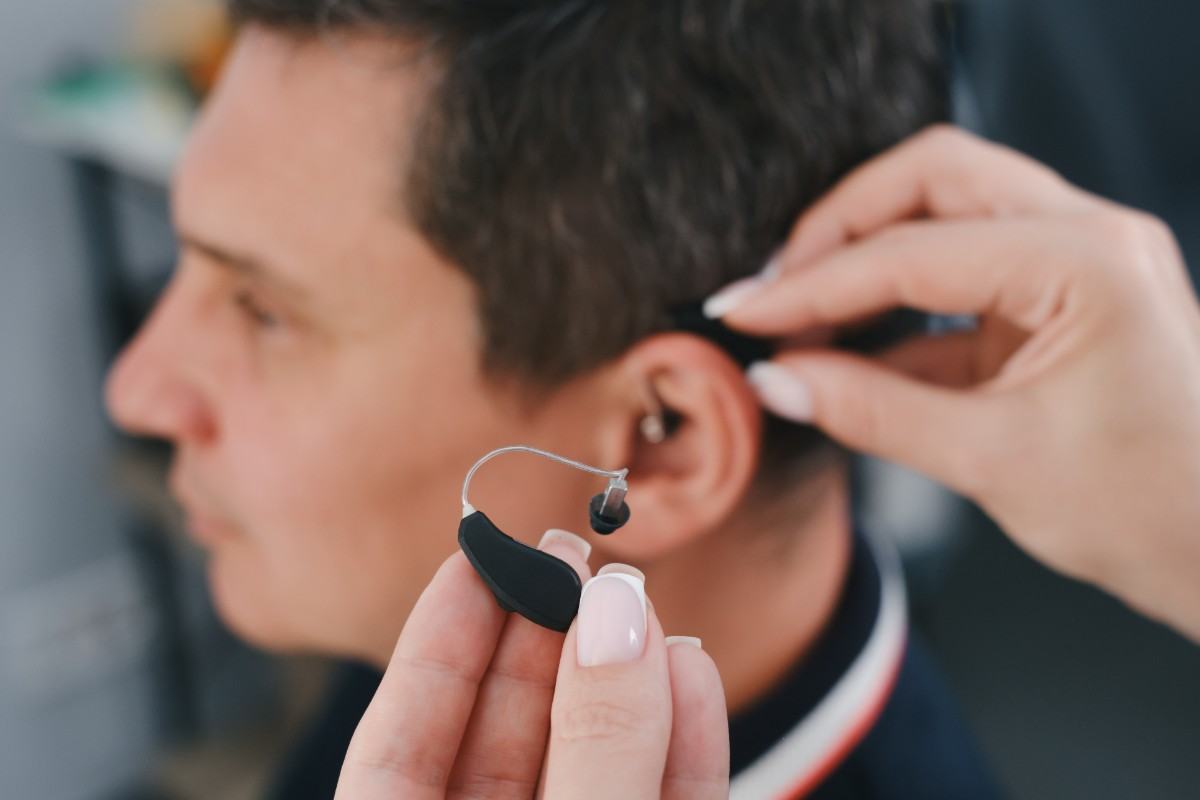
Hearing Aids and the Great Australian Outdoors: Beach, Bush and Sweat

Australian summers ask a lot of hearing aids! One weekend they're coated in a fine film of sunscreen at Bondi, the next they're rattling around a dusty campsite outside Broken Hill, and somewhere in between they're soaking up sweat during a humid Brisbane afternoon. These devices are small computers sitting in the warmest, dampest part of your body, and our climate does its best to test them.
The good news? A bit of routine care goes a very long way. Most summer hearing aid failures come down to moisture and debris, and both are largely preventable. Here's some great advice from our audiologists on how to keep your devices working while you actually enjoy the season.
Why moisture causes so much trouble
Hearing aids contain microphones, receivers, and circuit boards. Moisture gets into the tiny openings, condenses inside the casing, and slowly corrodes the contacts. Sometimes the device dies suddenly. More often you notice intermittent crackling, a drop in volume, or a strange fluctuating sound before it stops working altogether.
Sweat deserves particular attention because it isn't just water. Sweat carries salt, urea and lactic acid, all of which stay behind after the water evaporates. That residue attracts more moisture and slowly eats at metal components. So a device that gets sweaty daily suffers more than one that gets a single unexpected splash.

The IP rating is a bit of a myth
Most modern hearing aids carry an IP68 rating. Manufacturers earn this through controlled laboratory testing, usually involving submersion in clean, still water at a set depth for a set time.
Real life looks nothing like that lab. Seawater contains salt. Pool water contains chlorine. Sweat contains salt and acids. Sunscreen contains oils and silicones that clog microphone ports. An IP68 rating gives you protection against sudden rain or an accidental splash, and it buys you time if something goes wrong. It does not make your hearing aids swim-proof, and no manufacturer claims otherwise.
Treat the rating as a safety net rather than permission to go snorkelling.
What about beach days?
Sand and salt make a particularly nasty combination! Salt crystals are abrasive and hygroscopic, meaning they pull moisture from the air. Sand grains find their way into battery doors, microphone ports and volume controls with remarkable persistence.
Before you head down to the water, take your hearing aids out and store them in a hard case. A soft pouch in a beach bag will fill with sand within an hour. If you want to stay connected while you're in the water, consider a waterproof phone speaker or simply arrange a hand signal with whoever you're with.
When you come back to your towel, dry your ears and hands thoroughly before putting the devices back in. Wet hands transfer salt water straight into the casing.
Sunscreen needs its own strategy. Apply it first, rub it in fully, then wash and dry your hands before touching your hearing aids. Sunscreen residue on the casing attracts dust and can block microphone ports within days. If you notice sound becoming muffled after a beach holiday, blocked microphone covers are the most likely culprit.
At the end of the day, wipe the devices with a dry microfibre cloth. Never rinse them under a tap.
And bush trips or dusty roads?
Inland Australia presents a different problem. Fine dust travels on the wind, gets into everything, and behaves like a very mild abrasive when it works into moving parts.
Behind-the-ear devices tend to cope better than in-the-ear styles in dusty conditions, mostly because the electronics sit higher and away from the ear canal. Either way, a wide-brimmed hat helps more than you'd expect, and a buff or light scarf gives useful protection on genuinely dusty days.
Carry a cleaning brush and wax tools with you. Five minutes each evening clearing dust from the microphone covers and receiver will prevent most problems. If you're camping, keep your hearing aids in a hard case inside the tent rather than in a car glovebox. Car interiors reach extraordinary temperatures in the Australian sun, and heat damages both batteries and the flexible components inside the casing.
Speaking of batteries, disposable zinc-air batteries drain faster in high heat and high humidity. Pack more than you think you need. Rechargeable users should bring a power bank, because a flat charging case in the middle of nowhere makes for a quiet trip.
Or sweat, sport and humid days?
If you exercise regularly or live somewhere genuinely humid, moisture management becomes a daily habit rather than a holiday task.
Sweatbands and headbands help a great deal. Several companies make purpose-built sleeves that fit over behind-the-ear devices and absorb perspiration before it reaches the casing. They're inexpensive and they work.
Retention clips and sports cords are worth using during any activity involving movement. Hearing aids lost in surf or long grass are rarely found, and a small clip costs far less than a replacement device.
After any sweaty session, wipe your devices down and open the battery door if you use disposables. Then use a drying kit.
Drying kits are worth the money
A drying container is the single most useful accessory you can own in an Australian climate. Two main types exist.
Desiccant jars use silica beads or drying tablets to pull moisture out overnight. They're cheap, they need no power, and they suit camping trips perfectly. The desiccant needs replacing every few weeks depending on humidity.
Electric dryers (not hair dryers!) use gentle warmth and airflow, and many include a UV-C cycle that reduces bacterial load. Research published in the American Journal of Audiology found UV disinfection meaningfully reduced bacterial colonisation on hearing aid surfaces, which matters if you're prone to ear infections or outer ear irritation.
Use whichever type suits you, but use one nightly through summer rather than only after obvious exposure. Condensation builds gradually, and by the time you notice a problem the corrosion has already started.
Water damage first aid
If your hearing aids get properly wet, act quickly!
Turn them off and remove any disposable batteries immediately. Wipe the outside dry. Shake gently with the microphone ports facing down to clear trapped water. Place the device in a desiccant jar or electric dryer for at least a full day, ideally longer.
Skip the rice. It's a persistent myth, it dries far more slowly than proper desiccant, and rice dust gets into the ports and causes fresh problems.
Do not use a hairdryer, oven, or microwave. Heat warps plastic components and destroys adhesive seals.
If the device works again after drying, book a service anyway. Salt water in particular leaves corrosive residue that continues damaging components for weeks afterwards.

Booking a service
Most people wait until something breaks, but that can be a real issue if you’re away on holiday or enjoying some time outdoors! A better approach is scheduling a check either just before summer or straight after the holiday period.
A professional hearing aid service typically includes deep cleaning with vacuum tools that reach places a brush cannot, receiver and microphone filter replacement, tubing and dome checks, moisture testing, and a listening check to confirm the device performs to specification. Your audiologist will also review your programming, since hearing changes gradually and settings that suited you two years ago may not suit you now.
Twice-yearly professional cleaning suits most people in coastal or tropical parts of Australia. Once a year is generally enough in drier southern regions, though anyone who exercises heavily or works outdoors should stick with the six-month schedule.
Bring your charger and any accessories to the appointment. Charging contacts corrode too, and a dirty charger causes problems that look exactly like device failure.
Choosing the best hearing aids for an outdoor life
If you're due for new hearing aids and you spend most weekends outside, the conversation with your audiologist should start with your lifestyle rather than your audiogram. The technology inside modern devices differs quite a bit between brands, and those differences show up most clearly in tricky environments like windy beaches, noisy campsites and open bushland.
Book a hearing aid service or check at our audiology clinics in Footscray or Richmond
We'll deep clean your devices, replace worn filters and tubing, run a moisture check, and make sure everything performs the way it should after a season of sand, salt and sweat. We'll also review your programming, explain what we find in plain language, and sort out any settings that no longer suit how you live.
As an independent clinic, we work across a wide range of leading hearing aid brands, so if your current devices struggle outdoors, we can talk you through the options that genuinely suit beach days, bush trips and an active summer.
We also support multiple funding pathways, including private options, WorkCover, and the Australian Government Hearing Services Program, making the process simpler and more accessible.
Book your appointment at our clinics in Footscray or Richmond today (we often have same-day or next-day appointments available) and head into summer with hearing aids that are ready for it!
FAQS
Can I wear my hearing aids at the beach?
Yes, just keep them out of the water and away from direct spray. Salt air alone won't kill them, but salt water will. Wipe them down with a dry cloth when you get home, then pop them in a drying kit overnight. Our audiologists in Richmond or Footscray can fit you with protective sleeves and retention clips before your next beach day.
Are IP68 hearing aids waterproof?
No. IP68 means the devices survived a set time in clean, still water under lab conditions. Seawater, chlorine, sweat and soapy shower water all behave differently and wear down seals over time. Treat the rating as splash and sweat protection, not permission to swim. Call us or pop into either of our Richmond or Footscray clinics and we'll explain what your specific model handles.
What should I do if my hearing aids get wet?
Turn them off straight away and remove any disposable batteries. Open the battery door, wipe the casing dry, then use a desiccant jar or electric drying kit for several hours. Never use rice, a hairdryer or an oven. If sound stays muffled afterwards, ring our audiology clinics in Richmond or Footscray. We keep same-day and next-day appointments free for problems like this!
Does sunscreen damage hearing aids?
It certainly clogs them! Sunscreen and insect repellent form a greasy film over microphone ports, which muffles sound and traps dust. Apply sunscreen first, let it absorb, wash your hands properly, then insert your devices. Wipe the casing each evening. If sound quality has already dropped, book a professional clean with one of our audiologists in Footscray or Richmond!

Lisa Wong
BHSc(Psych). DipNatHT. DipHDPE. CertAuralMicrosuction. AACAud
More Articles