Hearing Aid Myths That Stop People From Getting Help
Many people live with hearing loss for many years before seeking professional help, with some people delaying treatment for a decade or longer. Research from organisations such as the World Health Organization and Hearing Australia consistently shows that untreated hearing loss is extremely common, yet many people hesitate to get a hearing assessment or hearing aids.
Why? A major reason is misinformation.
Hearing aids have improved dramatically in recent decades, but outdated assumptions still shape how people think about them. These myths can discourage people from booking a hearing test or exploring treatment options that could significantly improve daily life. Understanding what is true and what is not can help people make informed decisions about their hearing health.
Myth 1: Hearing Aids Are Only for Elderly People
One of the most persistent misconceptions is that hearing aids are only needed by older adults.
While age-related hearing loss is common, hearing difficulties affect people of all ages. Exposure to loud environments, infections, genetics, certain medications, and head injuries can all contribute to hearing loss earlier in life.
According to the World Health Organization, more than 430 million people worldwide require rehabilitation for disabling hearing loss. Many of them are working-age adults. People in their 30s, 40s, and 50s frequently experience early signs of hearing difficulty, especially if they have worked in noisy industries or regularly attend loud events.
Modern hearing aids are designed for active lifestyles. Many users continue working, exercising, travelling, and socialising while wearing them.
Hearing support is about improving communication and wellbeing, not about age.
Myth 2: Hearing Aids Make Hearing Perfect Again
Another common misunderstanding is that hearing aids restore hearing exactly as it was before hearing loss occurred.
Hearing aids do not cure hearing loss. Instead, they amplify and process sound to make it easier for the brain to interpret speech and environmental sounds.
This distinction matters. When people expect instant perfection, they may feel disappointed during the adjustment period.
The brain needs time to adapt. Sounds that were previously missing suddenly return, including subtle background noises that many people have not heard for years. Audiologists carefully program hearing aids based on a person’s hearing test results. Follow-up appointments allow fine adjustments, so the devices match real-world listening environments.
With proper fitting and realistic expectations, most users report substantial improvements in conversations, group settings, and everyday listening.
Myth 3: Hearing Aids Are Big, Obvious, and Unattractive
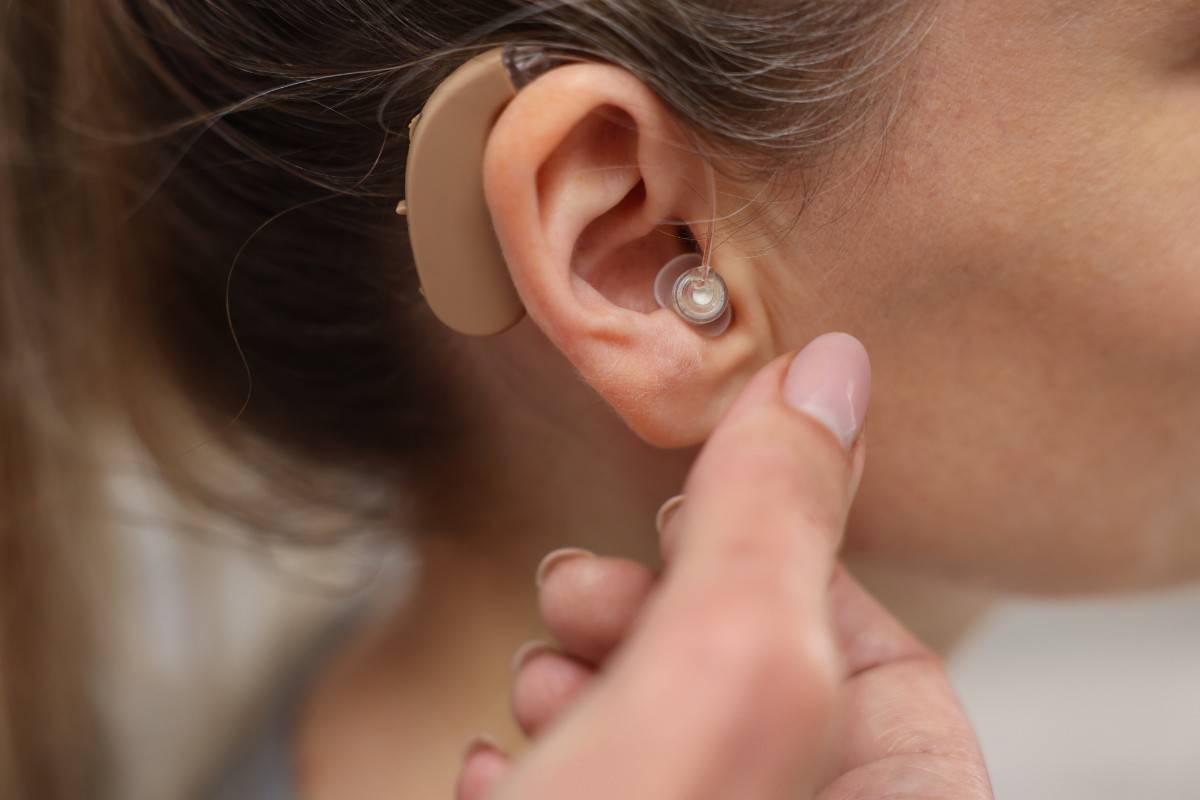
Images of bulky, beige hearing aids from decades ago still influence public perception. Modern devices look very different.
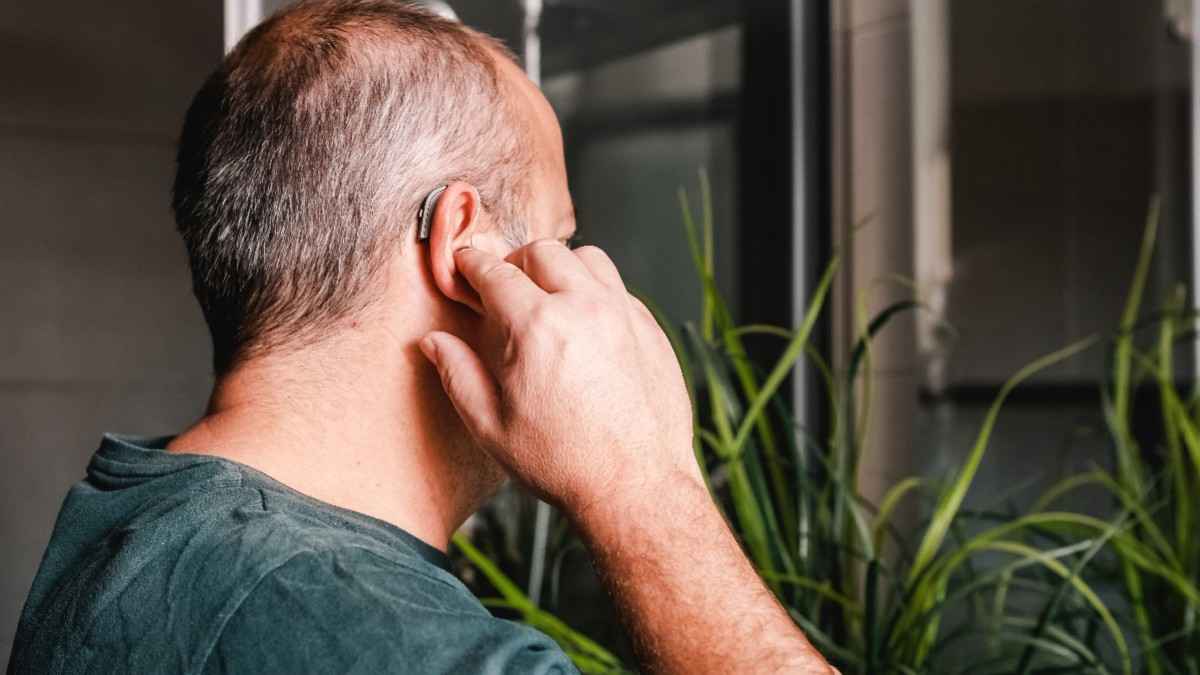
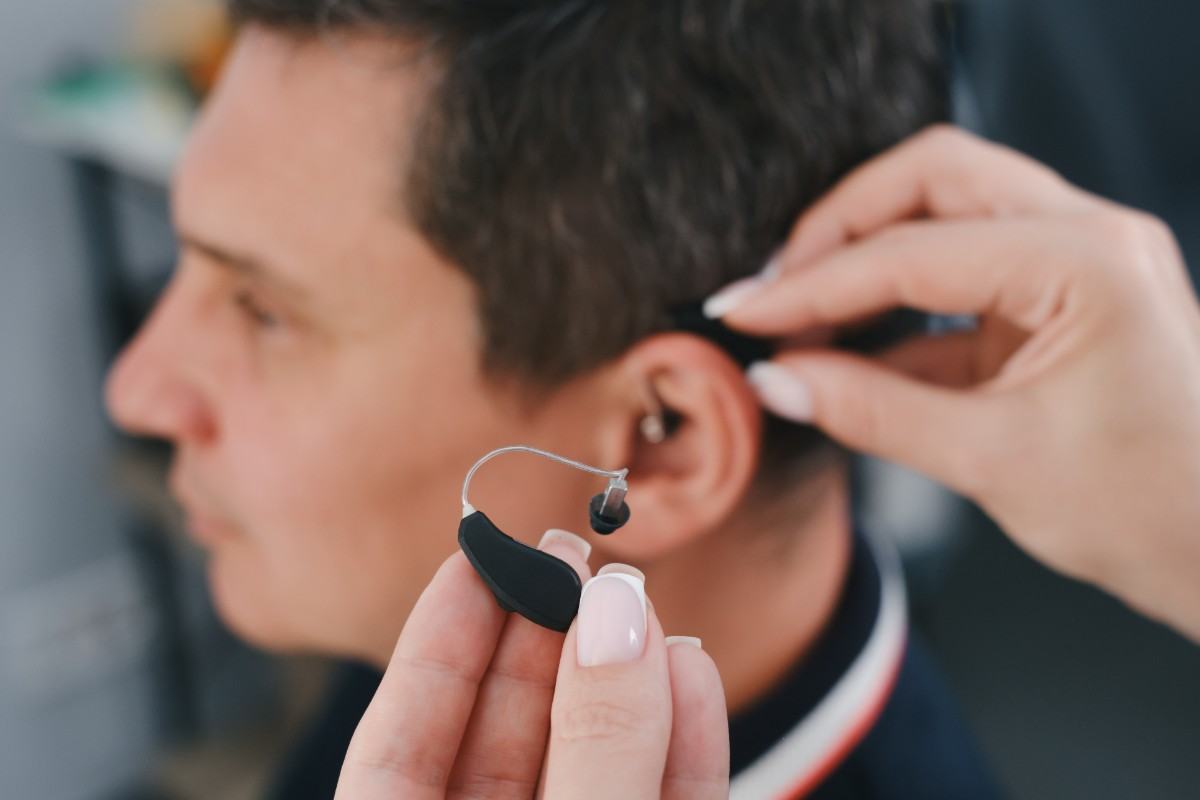
Today’s hearing aids are small, lightweight, and often barely visible. Many sit discreetly behind the ear or inside the ear canal. Some models are nearly invisible to others.
Technology has also improved the design. Modern hearing aids combine discreet, comfortable designs with sleek materials, personalised colours, Bluetooth connectivity, and convenient rechargeable options.
In many cases, people notice communication improvements long before they notice the device itself.
Social attitudes toward assistive technology have also changed. People openly use wireless earbuds, fitness trackers, and smart glasses. Hearing technology fits naturally within this broader category of wearable tech.
Myth 4: Hearing Aids Amplify Everything, Including Noise
Some people worry that hearing aids simply make all sounds louder, including unwanted noise.
Modern hearing technology is far more sophisticated.
Advanced digital hearing aids analyse the listening environment thousands of times per second. They can identify speech patterns and separate them from background sounds such as traffic, air conditioning, or restaurant noise.
Directional microphones help focus on voices in front of the user. Noise reduction algorithms reduce steady background sounds.
Many devices also include automatic settings that adjust to different environments. A quiet living room, a busy street, and a crowded café all require different sound processing strategies.
While no device can remove background noise completely, modern hearing aids significantly improve speech clarity compared with older models.
Myth 5: Hearing Aids Are Difficult to Use
Another barrier is the belief that hearing aids are complicated or frustrating to manage. In reality, today’s devices are designed to be much more user-friendly.
Rechargeable batteries have replaced many disposable battery systems, meaning users simply place their hearing aids in a charging case overnight.
Bluetooth connectivity allows hearing aids to connect directly to smartphones, televisions, and other devices. Users can stream calls, music, or podcasts straight into their hearing aids.
Many manufacturers also offer smartphone apps that allow easy adjustments for volume, listening modes, or environmental settings.
Audiologists provide guidance during the fitting process and offer ongoing support to ensure users feel comfortable with their devices.
Most people become confident with their hearing aids within a short period of daily use.
Myth 6: If I Can Still Hear Some Sounds, I Do Not Need Hearing Aids
Hearing loss rarely occurs all at once.
Many people gradually lose the ability to hear specific frequencies, particularly those associated with speech clarity. This can make conversations difficult even though some sounds remain audible.
For example, someone may hear voices but struggle to understand certain words, especially in noisy environments.
This type of hearing loss is subtle and may go unnoticed for a long time, often leading people to believe others are mumbling or speaking too quickly.
Audiologists measure hearing across different sound frequencies during a hearing test. This helps identify patterns of hearing loss that may benefit from amplification.
Early intervention often produces better outcomes because the brain remains actively engaged in processing sound. Delaying treatment may allow listening fatigue and communication challenges to grow over time.
Myth 7: Hearing Loss Is Just an Inconvenience
Some people accept hearing loss as a minor inconvenience rather than a health concern. However, research shows that untreated hearing loss can affect many aspects of life.
Studies published in journals such as The Lancet have identified links between untreated hearing loss and social isolation, reduced cognitive stimulation, and lower quality of life. When people struggle to hear clearly, they may withdraw from conversations, avoid group gatherings, or feel frustrated during daily interactions.
Listening also requires more effort. The brain works harder to fill in missing information when sound signals are incomplete.
Using hearing aids helps restore access to everyday sounds and supports more natural communication.
Myth 8: Hearing Aids Are Too Expensive
Cost concerns often discourage people from exploring hearing solutions. While hearing aids represent a significant investment, the cost varies widely depending on the technology level and features.
Many clinics offer different device options and payment plans to make treatment more accessible.
In Australia, hearing aids are generally not covered by Medicare for most adults. However, eligible people may receive free or subsidised hearing aids through the Australian Government Hearing Services Program, which supports certain groups such as pensioners, veterans, and some other approved recipients.
Private health insurance may also provide partial rebates for hearing aids if the policy includes extras cover, although the amount varies between funds and policy levels.
It is also helpful to consider the long-term value of improved hearing. Clear communication can influence work performance, relationships, safety, and overall wellbeing. An audiologist can explain available funding options and help patients choose devices that suit their hearing needs and budget.
Myth 9: I Can Just Turn the Volume Up Instead
Television volume and smartphone settings often become the first response to hearing difficulty.
While increasing volume may temporarily help, it does not address the underlying hearing problem.
Hearing loss often involves reduced clarity rather than reduced loudness. Turning up the volume amplifies everything, including distortion and background noise. This can make speech even harder to understand.
Hearing aids are programmed to target specific frequencies where hearing loss occurs. This approach improves clarity without overwhelming the listener with excessive volume.
Professional hearing assessment is the most effective way to understand what is happening with hearing and identify appropriate solutions.
Why Early Action Matters for Hearing Health
Hearing connects people to conversations, music, environmental sounds, and daily interactions.
When hearing loss develops slowly, people often adapt without realising how much they are missing. Getting help early can improve outcomes. Hearing aids work best when they are introduced before communication difficulties become severe.
Regular hearing tests are an important part of preventive health care, particularly for adults over 50 or people who work in noisy environments.
Addressing hearing concerns sooner rather than later helps maintain communication, confidence, and engagement with the world around us.
Advanced Hearing Support at earLAB in Melbourne
If you have noticed changes in your hearing, professional advice can make a significant difference. At earLAB in Melbourne, experienced audiologists provide comprehensive hearing assessments, personalised hearing aid fittings, and ongoing support to help you hear more clearly and comfortably.
Booking a hearing test is the first step toward understanding your hearing health and exploring modern solutions designed for everyday life.

Lisa Wong
BHSc(Psych). DipNatHT. DipHDPE. CertAuralMicrosuction. AACAud
More Articles