Why Custom Ear Plugs are the Best Investment for Kids Who Play Music
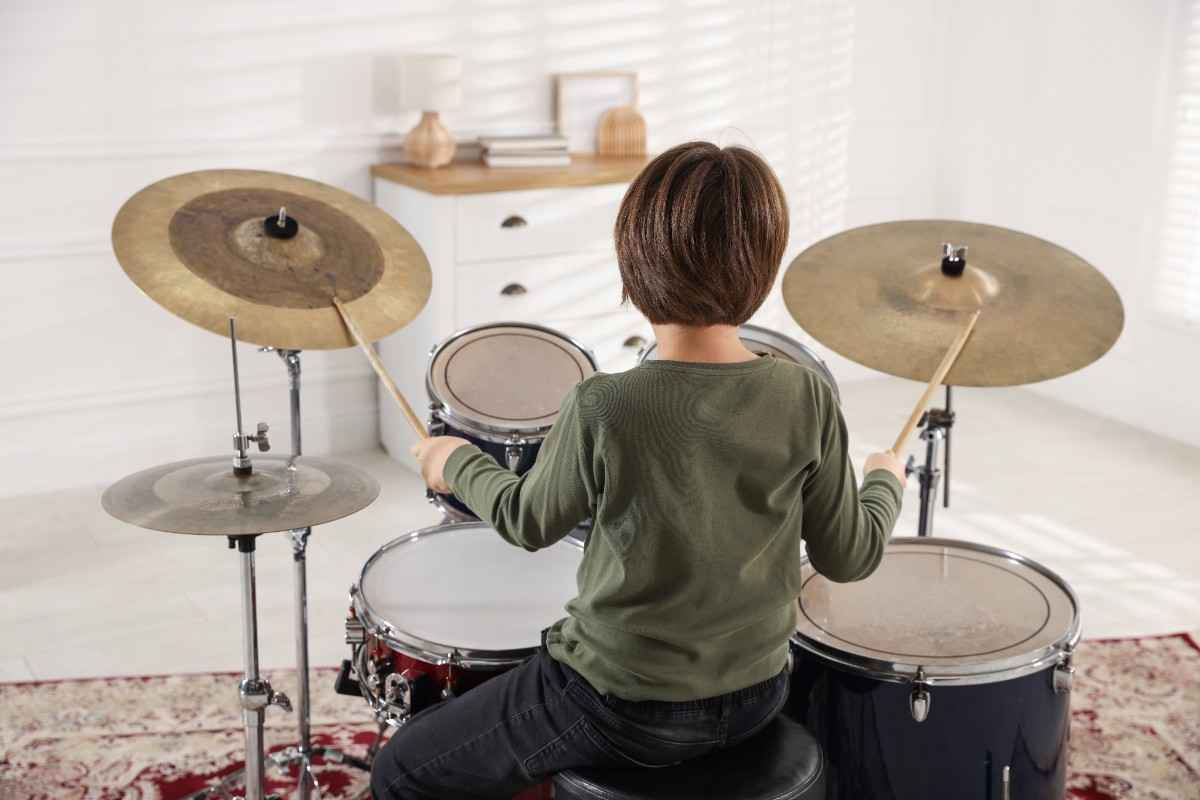
If you’ve got a child learning an instrument, you already know how loud things can get. One minute it’s a gentle piano melody, the next it’s drums shaking the walls or a trumpet cutting through the whole house!
And yet, we wouldn’t change it for the world. Learning music is one of the best things a child can do. It builds focus, discipline, coordination, and creativity. It teaches patience and gives kids a real sense of progress and achievement.
What often gets overlooked is the impact of sound itself.
Parents tend to focus on lessons, practice routines, and maybe even future performances. Hearing protection rarely comes up. The truth is, it should.
Music brings huge benefits, but some instruments and practice environments are louder than you might expect. Over time, that exposure can add up into tinnitus and even permanent hearing loss.
The good news is you do not have to choose between protecting your child’s hearing and supporting their love of music. With custom ear plugs for kids, you can do both!
How loud is too loud for kids learning music?
Let’s put things into perspective. Safe listening levels are limited to 85 decibels or less. Anything above that, especially over longer periods, can start to affect hearing.
Now compare that to what your child might be exposed to:
- Piano can reach up to 90 decibels
- Violin often sits between 70 and 95 decibels
- Trumpet can climb to 110 decibels
- Electric guitar with an amp can hit 115 decibels
- Drums can go up to 130 decibels
And it’s not just about volume. It’s the combination of loudness and time. A quick practice session is one thing. Long rehearsals in a small room or putting on a concert are another.
This is why young musicians, especially those playing drums, brass, or amplified instruments, need a bit more protection than we often realise.
What happens if you don’t protect hearing early?
Most parents think hearing loss is something that happens much later in life. It feels like a distant problem, not something to worry about when your child is just starting music lessons.
But hearing doesn’t work like that.
Inside the ear are tiny hair cells that help turn sound into signals the brain understands. They are incredibly sensitive. Once they are damaged, they do not grow back.
The tricky part is that damage does not usually come from one loud moment. It builds slowly. A bit of exposure during practice. A loud band rehearsal. Headphones turned up just a little too high. Over time, those small moments add up.
That is why early habits matter so much.
Protecting your child’s hearing now is not about reacting to a problem. It is about preventing one. When kids grow up understanding how to manage sound safely, it becomes second nature. They carry those habits into their teenage years and beyond.
Think of it like sun protection. You do not wait for sunburn to start using sunscreen. You build the habit early so it becomes part of everyday life.
The subtle signs of hearing loss that are easy to miss
Kids won’t always tell you something feels off. Sometimes they don’t even notice it themselves.
Here are a few things to keep an eye on:
- They start turning the TV or tablet up louder than usual
- They say their ears are ringing after practice
- They ask you to repeat things more often
- They seem sensitive to certain sounds
- They look drained after rehearsals
None of these are dramatic red flags on their own, but together they can point to hearing strain.
If you’re unsure, it’s worth getting their hearing checked early. It’s quick, simple, and gives you a clear baseline.
So, what are custom ear plugs?
You’ve probably seen foam ear plugs before. They’re cheap and easy, but they’re not ideal for musicians. They tend to muffle sound in a way that makes music feel flat and unclear.
Custom ear plugs are completely different.
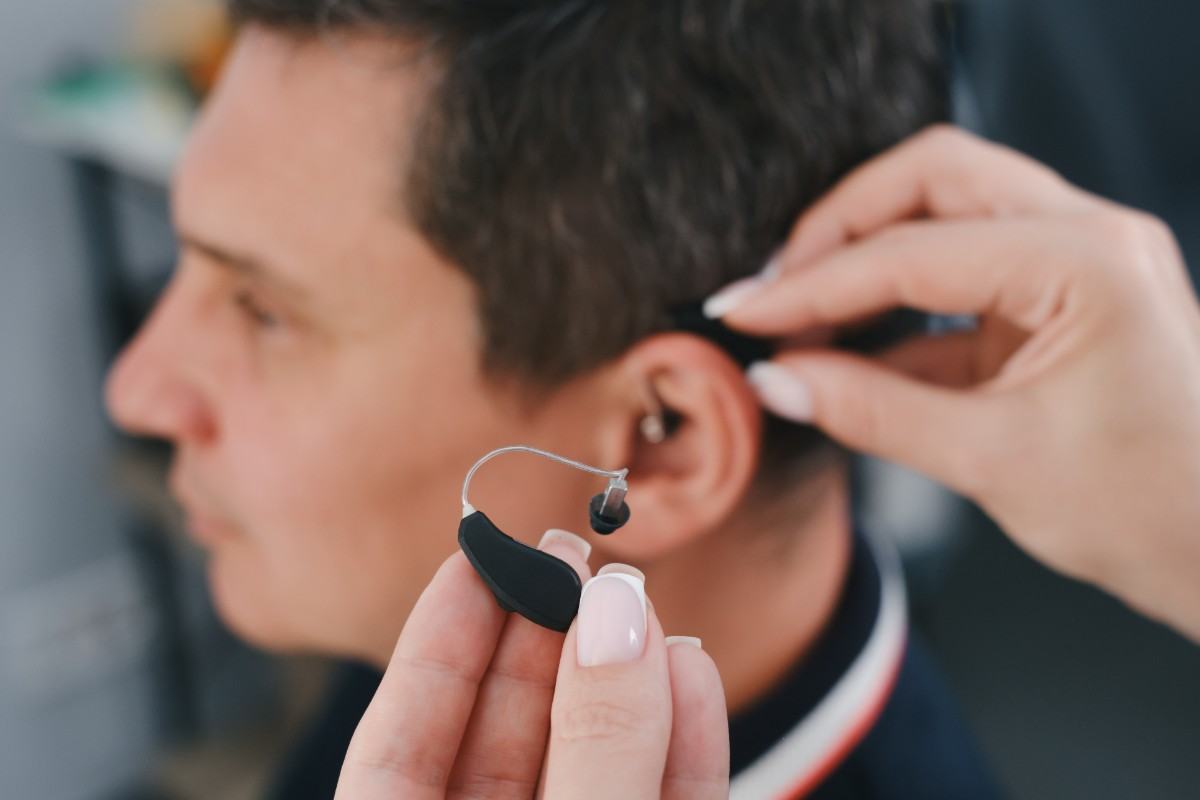
They’re made specifically for your child’s ears. A clinician takes a precise mould of the ear canal, which you can learn more about through earLAB’s ear impression service. That mould is then used to create ear plugs that fit comfortably and stay in place.
The real difference comes from the filters. These are designed to lower the volume evenly across all frequencies. So instead of blocking sound, they simply turn it down.
Your child still hears everything clearly. It just feels more comfortable and controlled.
Custom ear plugs vs over-the-counter options
It is completely normal to reach for foam ear plugs first. They are cheap, easy to find, and seem like a quick fix.
For occasional use, they can be helpful. But for kids who play music regularly, they are not the best long-term option.
Here is why.
Fit and comfort
Foam ear plugs are one-size-fits-all. That usually means they do not fit particularly well. They can feel bulky, fall out, or sit awkwardly in smaller ears. Custom ear plugs are made specifically for your child, so they stay in place and feel comfortable, even during longer practice sessions.
Sound quality and clarity
Foam plugs tend to block sound unevenly. Music can sound dull or muffled, which makes it harder for kids to learn and enjoy what they are playing. Custom ear plugs use filters that reduce volume evenly, so everything still sounds clear and balanced.
Hygiene and reusability
Foam plugs are often single-use or wear out quickly. Custom ear plugs are durable and easy to clean, which makes them a more practical option for regular use.
Long-term value
While custom ear plugs cost more upfront, they last longer and are designed for consistent use. For a child who practices several times a week, they quickly become the better investment.
In short, foam plugs are fine for the occasional concert or noisy event. Custom, protective ear plugs are designed for kids who are serious about music and spend time in louder environments.
Why kids are more likely to actually use custom ear plugs
This is where most parents get stuck. If something feels uncomfortable or makes music sound “off,” kids won’t use it. No matter how important it is!
Custom ear plugs solve that problem:
- They fit properly, so they don’t fall out
- They feel comfortable, even during longer sessions
- They keep music sounding natural and clear
For kids learning pitch, timing, and technique, that clarity matters. They can still follow their teacher, play in a group, and enjoy what they’re doing.
When should you start thinking about them?
There’s no perfect age. It really comes down to exposure.
You should start considering custom ear plugs if your child:
- Plays drums, brass, or electric guitar
- Attends band practice or orchestra regularly
- Practices for long stretches at home
- Loves going to concerts or live performances
- Uses headphones often for music or lessons
If you’re already noticing some of the signs we mentioned earlier, that’s another good indicator it’s time.
How the ear impression process works
A lot of parents pause at this step. The idea of taking an ear impression sounds technical, maybe even uncomfortable.
In reality, it is simple and quick!
At clinics like earLAB in Footscray and Richmond, the process is designed to be easy for both kids and parents.
Here is what usually happens:
A quick ear check
The clinician looks inside the ear to make sure everything is healthy and clear. If there is any wax build-up, it can be safely removed first using microsuction, so the impression is accurate.
Soft material placed in the ear
A gentle, silicone-like material is carefully placed into the ear canal. It feels a bit unusual at first, but it is not painful.
The mould forms in a few minutes
Your child simply sits still while the material sets. This usually takes just a few minutes.
The mould is used to create the ear plugs
Once removed, the impression is sent off to create custom-fitted ear plugs designed specifically for your child.
That is it.
Most kids are surprised by how easy it is. There are no loud noises, no discomfort, and no complicated steps. Once it is done, you have a solution that fits properly and works exactly as it should.
For parents, this is often the moment where everything clicks. What seemed like a big step turns out to be a simple one that makes a lasting difference.
Don’t overlook ear health
Before getting custom ear plugs, it’s important to make sure your child’s ears are clear and healthy.
Ear wax plays a useful role, but when it builds up, it can block sound and affect how ear plugs fit. If your child uses earbuds or headphones a lot, this can happen more easily.
Professional ear wax removal using microsuction is the safest and most effective option. It’s done under direct vision, which means it’s precise and gentle as well as quick.
It’s also worth booking a hearing check from time to time. A simple test can pick up small changes early. Services like those offered at earLAB make it easy to stay on top of things.
Helping your child enjoy a lifetime of music
When your child enjoys music, you want to support that. You invest in lessons, instruments, and time. Protecting their hearing should be part of that investment too.
Custom ear plugs help them keep doing what they love, without the long-term risk. They don’t interfere with learning. If anything, they make it easier by reducing strain and fatigue.
And the earlier you introduce them, the more natural they become. Music is something your child can carry with them for life. School bands turn into hobbies. Hobbies turn into passions.
Looking after their hearing now helps protect that future.
It’s a small step, but one that makes a real difference.
If you’re in Melbourne, you can book an appointment at our clinics in Footscray and Richmond. From ear impressions to hearing tests, it’s all designed to fit into real family life!
Lisa Wong
BHSc(Psych). DipNatHT. DipHDPE. CertAuralMicrosuction. AACAud
More Articles