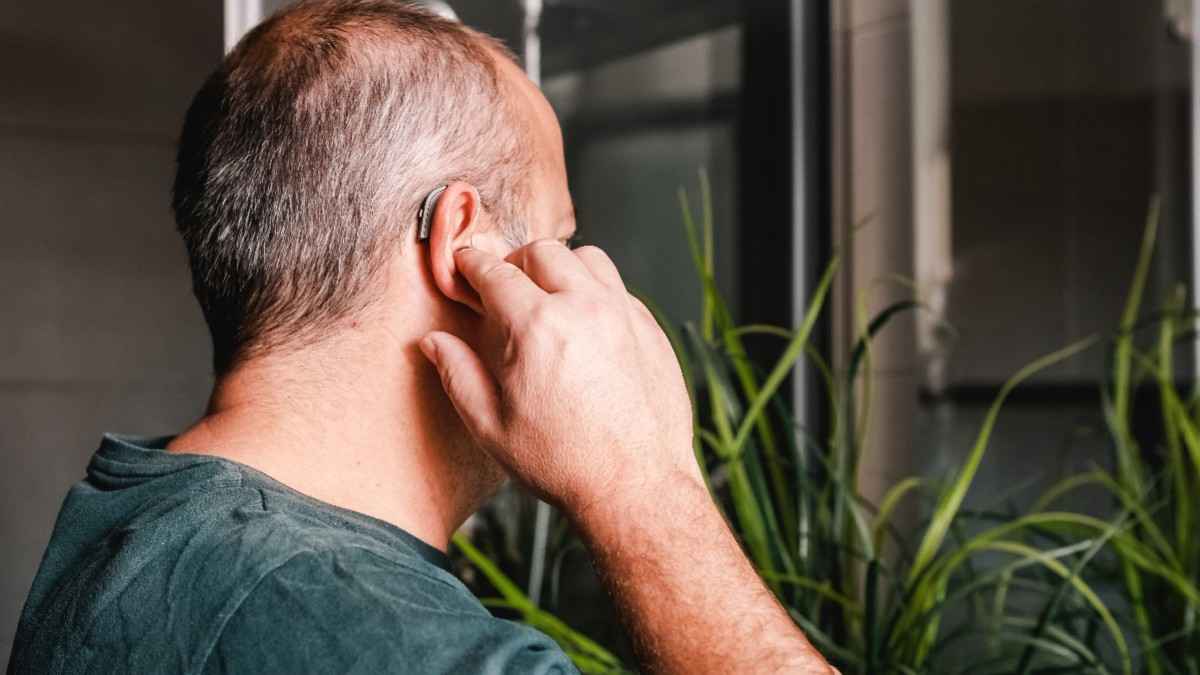
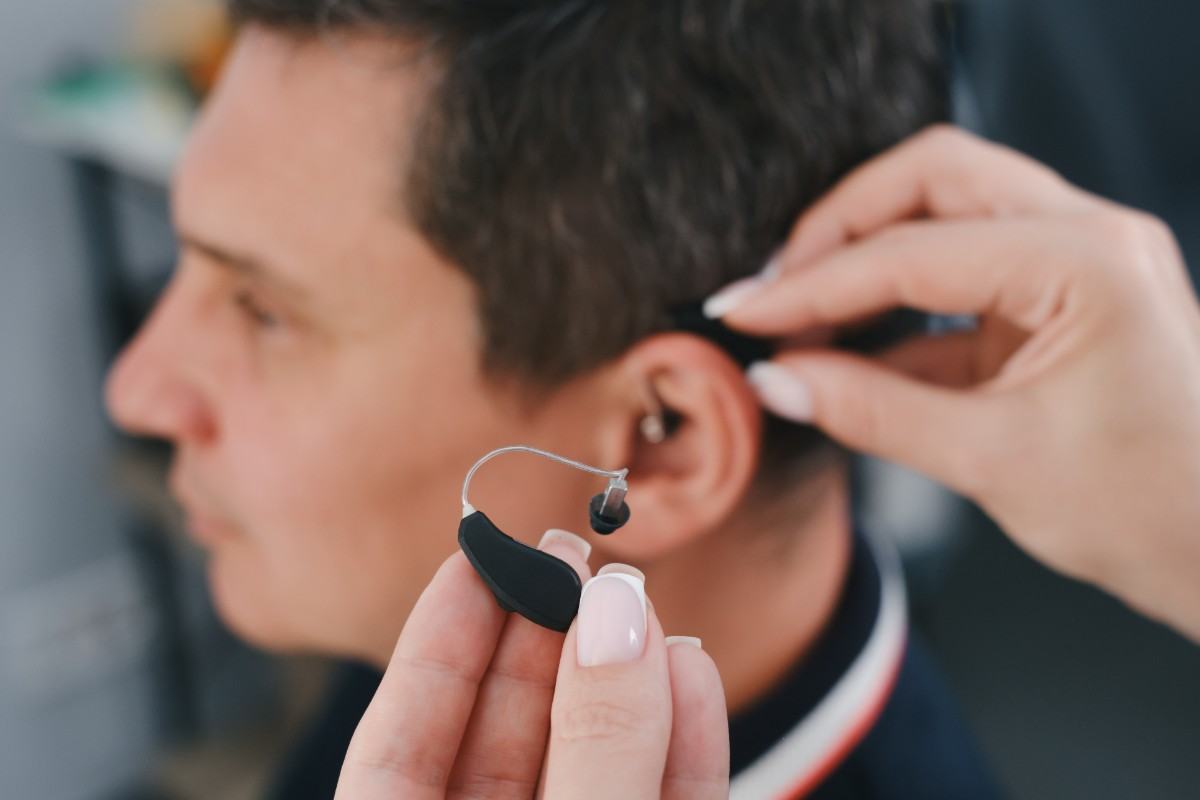
Hearing Awareness Week 2026: Why Hearing Care for Every Australian Matters
As we move into 2026, the Australian health landscape is increasingly focused on proactive, preventative care. This March, the nation observes Hearing Awareness Week (1–7 March 2026), a vital time to check in on one of our most essential senses and ensure we are staying connected to the world around us.
Audiologists across the country see firsthand how hearing health impacts every facet of life—from how children engage in classrooms to how adults maintain social connections as they age. With the 2026 national theme, "Hearing Care for All Children: From Communities to Classrooms," the focus is on ensuring the next generation has the best possible start.
Why 2026 is a Milestone Year for Hearing Health
Current projections suggest that by 2050, roughly one in four Australians will experience some form of hearing loss. Hearing Awareness Week is a reminder that early intervention and better ear care habits can significantly change this outlook.
The 2026 Focus: Protecting Our Youngest Ears
This year, the World Health Organization (WHO) and Audiology Australia are highlighting the critical role of hearing in childhood development. In Australia, it is estimated that two in every 1,000 school-aged children have hearing concerns that can impact:
- Speech and Language Development: Hearing is the primary foundation for learning to communicate.
- Social Connections: Unaddressed hearing issues can lead to social isolation or difficulties with emotional well-being.
- Academic Confidence: Clear hearing is essential for following instructions and participating in a busy classroom environment.
Common issues like earwax buildup or "glue ear" (otitis media) are often temporary and easily managed by a professional, but early detection is key to preventing long-term hurdles.
How to Celebrate Hearing Awareness Week 2026
You don’t need a specific reason to prioritise your ears. Small, proactive steps in your daily routine can preserve your hearing for decades to come:
- Book a Baseline Hearing Test: Even if you feel your hearing is fine, a baseline test allows a professional to monitor changes over time.
- The 60/60 Rule: When using headphones, aim to keep the volume below 60% and listen for no more than 60 minutes at a time.
- Safe Ear Care: Avoid using cotton buds, which often push wax deeper and risk damaging the eardrum. If you feel "blocked," seek out professional microsuction ear wax removal—a safe, waterless method used by modern clinics.
- Custom Protection: If you work in a noisy environment or enjoy live music, custom-fitted earplugs offer the best protection without sacrificing sound quality.
Finding the Right Care Near You
When it comes to your hearing, the most important step is finding a trusted, qualified professional. While we provide these services at earLAB, we encourage all Australians to seek out an independent audiologist in their local community.
Independent clinics are often best positioned to provide advice based on your specific clinical needs. Whether you visit us at our Richmond or Footscray clinics, or choose a trusted provider closer to home, look for an audiologist who specialises in:
- Comprehensive Assessments for both adults and children.
- Professional Ear Hygiene using the microsuction "gold standard."
- Evidence-based solutions tailored to your lifestyle rather than sales targets.
This Hearing Awareness Week, let's ensure that no Australian—from the classroom to the community—is left behind due to unaddressed hearing loss.
Ready to check in on your hearing? Book an appointment with our team at earLAB or reach out to your local independent audiology clinic today.

Lisa Wong
BHSc(Psych). DipNatHT. DipHDPE. CertAuralMicrosuction. AACAud
More Articles