Why Does Ear Wax Exist?
Ear wax has a reputation problem! Many people think of it as something dirty that should be removed as often as possible. In reality, ear wax plays an important protective role. Without it, the ear canal would be far more vulnerable to irritation, infection, and damage.
Doctors refer to ear wax as cerumen. It forms naturally in the outer part of the ear canal and serves several essential functions that help keep the ears healthy. In most people, ear wax quietly does its job and clears away on its own. Problems arise only when the natural process fails or when people try to remove wax in ways that interfere with the ear’s self-cleaning system.
Understanding why ear wax exists, how it works, recognising when it becomes an issue, and the best ways to remove excess ear wax, can help people care for their ears safely and avoid unnecessary discomfort.
What Exactly Is Ear Wax?
Ear wax is a mixture of several substances produced in the outer ear canal. Two main types of glands contribute to its formation.
Sebaceous glands produce oily secretions similar to those found in skin. Ceruminous glands produce a thicker substance that combines with dead skin cells, tiny hairs, and environmental debris.
This mixture gradually forms the waxy material we recognise as ear wax. Its colour and consistency vary between individuals. Some people produce soft, golden wax, while others develop darker, firmer wax. Genetics play a role in these differences. Research has identified two main types of ear wax: wet and dry. Wet wax is more common in people of European and African ancestry, while dry wax appears more often in East Asian populations.
Regardless of type, ear wax forms only in the outer third of the ear canal. The deeper part of the canal remains clean and wax-free in healthy ears.
The Protective Role of Ear Wax
Ear wax serves as a natural defence system. The ear canal is a narrow passage leading directly to the eardrum, which is a delicate membrane essential for hearing. Without protection, this area would be exposed to dust, bacteria, fungi, and small particles that enter from the environment.
Cerumen helps protect the ear in several ways.
First, it acts as a physical barrier. The sticky nature of wax traps dust, pollen, and other small particles before they reach the deeper ear canal. Over time, these particles become embedded in the wax and move out of the ear naturally.
Second, ear wax contains antimicrobial compounds. Studies published in journals such as the Journal of Laryngology & Otology have shown that cerumen has antibacterial and antifungal properties. These substances help reduce the risk of infections such as otitis externa, often known as swimmer’s ear.
Third, ear wax helps maintain the correct moisture balance inside the ear canal. Skin inside the ear is thin and sensitive. Without lubrication, it can become dry, cracked, and irritated. Wax provides a protective coating that keeps the skin healthy.
Finally, ear wax supports the ear’s natural cleaning system.
The Ear’s Self-Cleaning Mechanism
One of the most fascinating aspects of the ear is its ability to clean itself.
The skin inside the ear canal moves slowly outward, carrying wax and trapped debris with it. This process works a bit like a conveyor belt. The movement begins near the eardrum and gradually transports wax towards the ear opening.
Jaw movements help this process along. When you talk, chew, or yawn, the motion of the jaw encourages wax to migrate outward. Eventually, it dries and flakes away or falls out of the ear unnoticed.
In healthy ears, this process means that ear wax rarely needs to be removed manually.
Problems usually occur when this natural system becomes disrupted.
When Ear Wax Becomes a Problem
Although ear wax serves a useful purpose, it can sometimes build up excessively. This condition is known as cerumen impaction.
Impacted wax occurs when wax accumulates faster than the ear can remove it. Several factors can increase the risk.
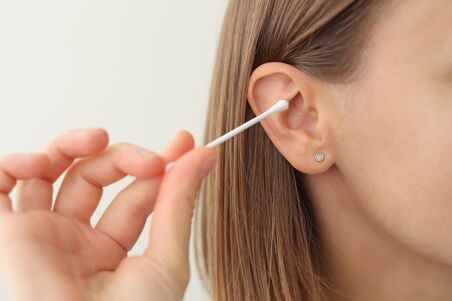
One of the most common causes is the use of cotton buds. When people insert cotton buds into the ear canal, they often push wax deeper inside rather than removing it. Over time, this can compress the wax against the eardrum, making it harder for the ear to clear naturally.
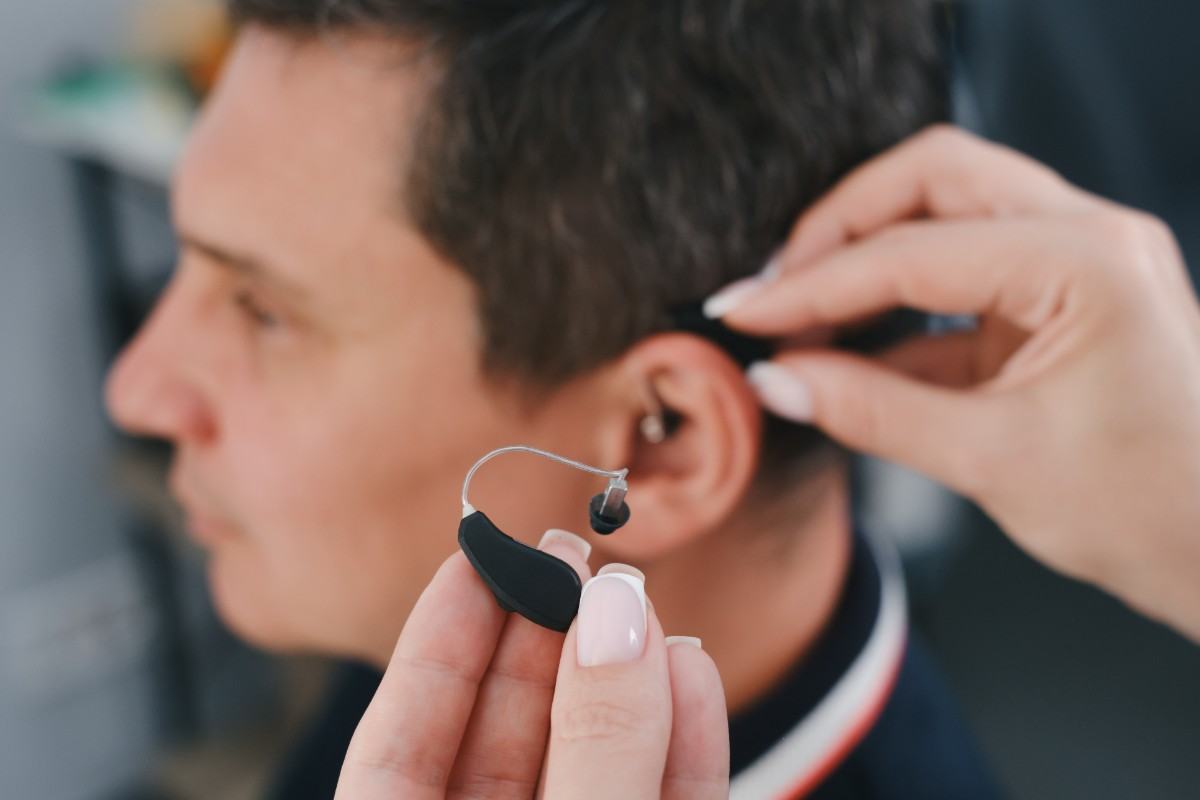
Hearing aids and earphones can also contribute to wax build-up. These devices partially block the ear canal and interfere with the normal outward movement of wax.
Some individuals naturally produce larger amounts of ear wax. Others have narrow or curved ear canals that make it harder for wax to migrate outward.
Age can also play a role. As people get older, ear wax often becomes drier and harder, which increases the chance of impaction.
Symptoms of Excess Ear Wax
Many people do not notice a problem until wax begins to block the ear canal.
Commonsymptoms include:
- A feeling of fullness in the ear
- Reduced hearing or muffled sounds
- Ringing in the ears
- Earache or discomfort
- Dizziness in some cases
- A persistent itch inside the ear
Hearing changes are often the symptom that prompts people to get help getting their ears cleaned. A plug of wax can reduce sound transmission by blocking the ear canal.
The good news is that symptoms usually resolve quickly once the wax is safely removed.
Safe Ways to Manage Ear Wax
For most people, ear wax does not require treatment. The ears take care of themselves.
When symptoms appear, safe management becomes important. Healthcare professionals recommend avoiding methods that can damage the ear canal or push wax deeper.
Cotton buds, hairpins, and similar objects should never be inserted into the ear. These tools increase the risk of injury and can worsen impaction.
Instead, gentle approaches may help soften wax. Over-the-counter ear drops often contain oils or mild solutions that break down hardened wax. These drops allow wax to move out naturally.
When wax remains impacted, professional removal may be necessary.
Professional Ear Wax Removal
Healthcare providers use several methods to remove wax safely.
Microsuction is one of the most widely recommended techniques. During this procedure, a clinician uses a specialised microscope and a small suction device to remove wax under direct visual guidance. This approach allows precise removal while reducing the risk of injury.
Another option involves irrigation. In this method, warm water flows into the ear canal to flush out softened wax. Modern irrigation systems use controlled pressure to minimise discomfort.
Manual removal using specialised instruments may also be used, particularly when wax sits near the outer ear canal.
Professional treatment usually provides quick relief and restores hearing when wax has caused blockage.
Why Overcleaning the Ears Causes Problems
A common misconception is that ears require regular cleaning. In fact, excessive cleaning often leads to more problems than leaving the ears alone.
Removing too much wax strips away the protective barrier that keeps the ear canal healthy. This can cause irritation, dryness, and a higher risk of infection.
Frequent cleaning may also stimulate the glands in the ear canal to produce more wax. The result can be a cycle of repeated build-up.
For most people, the best approach is simple. Clean only the outer ear with a cloth during normal washing. Leave the ear canal alone.
Understanding the Purpose of Ear Wax Supports Better Ear Care
Ear wax exists for a reason. It protects the ear canal, traps debris, prevents infection, and maintains healthy skin. The ear’s natural cleaning system usually handles wax without any help.
Problems develop when wax accumulates excessively or when people interfere with the ear’s self-cleaning process.
A sensible approach focuses on prevention. Avoid inserting objects into the ear canal. Allow the ear to function as it was designed. Seek professional help if symptoms appear.
With this understanding, ear wax becomes less of a nuisance and more of an example of the body’s remarkable ability to protect itself.
If ear wax becomes uncomfortable or begins to affect your hearing, professional care can make a real difference. At earLAb in Melbourne, our clinicians provide safe, gentle ear wax removal using modern techniques and careful assessment of your ear health. We focus on effective treatment and clear advice so you can protect your hearing and keep your ears healthy.

Lisa Wong
BHSc(Psych). DipNatHT. DipHDPE. CertAuralMicrosuction. AACAud
More Articles