Your Ears are Sisters, Not Twins
We often assume our bodies are perfectly symmetrical. We have two eyes, two arms, and two ears, so it feels natural to expect them to work in exactly the same way. However, if you have ever tried on a new pair of shoes and found one foot feels slightly snugger than the other, you already know the truth. Our bodies rarely come in identical sets. So, your ears are sisters, not twins!
This simple phrase helps many people understand why one ear might struggle while the other feels fine. Whether you are noticing a slight muffled quality on your left side or finding it harder to follow a chat at a noisy cafe, understanding these differences is the first step toward better hearing health. In this guide, we will look at why these variations happen, how your brain handles the lopsided information, and what you can do to keep your hearing in top shape.
Why are our ears different?
It is quite normal for your ears to have their own distinct personalities. Several factors contribute to why one ear might be a bit sharper than its sibling.
The physical structure
Even though they look similar from the outside, the internal structure of your ears can vary. The shape and length of your ear canal influence how sound waves travel toward your eardrum. If one canal is narrower or has a different curve, it changes the way certain frequencies reach the inner ear. The tiny bones behind your eardrum, known as the ossicles, can also have slight variations in how they vibrate. Even a small difference in the stiffness of these bones changes how sound moves through the middle ear.
Life happens
We often expose our ears to different environments without realising it. Think about your daily habits. If you spend a lot of time driving with the window down, your right ear (or left, depending on where you are in the world) takes the brunt of the wind noise. If you have a favourite side for holding your phone or if you stand near a specific machine at work, one ear is working much harder than the other. Over years, this lopsided exposure adds up.
Health and history
Past illnesses often leave a mark on one ear more than the other. A particularly nasty ear infection during childhood might have caused some scarring on one eardrum. Perhaps you had a bout of swimmer’s ear that affected one side more severely. Even the way earwax builds up can be asymmetrical. It is very common for one ear to produce more wax or have a trickier canal shape that prevents wax from clearing naturally.

How your brain manages these differences
Your brain is the real hero of the hearing process. It takes the signals from both ears and stitches them together to create a 3D map of the world. Because your ears are sisters rather than twins, when there are significant hearing differences, the brain has to work much harder to make sense of the data.
Finding the source
To figure out where a sound is coming from, your brain compares the timing and volume of the signal reaching each ear. A sound coming from your right reaches your right ear a fraction of a second sooner and slightly louder than it reaches your left. If your hearing is uneven, your brain can get confused. You might find yourself turning your head the wrong way when someone calls your name in a busy shopping centre.
The heavy lifting of listening
When one ear provides a weaker signal, the brain tries to fill in the gaps. This is a process researchers call cognitive load. Instead of effortlessly processing speech, your brain has to use its "processing power" to guess missing words or filter out background noise. This is why many people with uneven hearing feel exhausted after a social event. You’re not just tired from the socialising; your brain is tired from the extra work it had to do to keep up with the conversation.
This strain has long-term consequences that go beyond feeling a bit sleepy. Recent high-quality research shows a strong link between untreated hearing loss and cognitive decline, including an increased risk of dementia. When the brain stops receiving clear, balanced stimulation, it can begin to reorganise itself in ways that affect memory and thinking skills. By ignoring one "sister" who is struggling to hear, you might be putting extra pressure on your overall brain health. Treating these differences early keeps your mind active and engaged. It is one of the best ways to protect your long-term cognitive wellbeing.
What should you do?
If you notice that your ears are behaving differently or you want to find out if they do have hearing differences, the best thing you can do is get a comprehensive hearing assessment. Modern hearing tests are far more than just pressing a button when you hear a beep. They provide a deep dive into how each ear functions and how well they work as a team.
During a thorough check, an audiologist will look at several areas:
- Physical health: They will check for wax, fluid, or any signs of past infections.
- Frequency response: This shows exactly which pitches are easier or harder for each ear.
- Speech in noise: This is a vital test. It measures how well you can understand a person talking when there is background babble. This reflects real-life situations like family dinners or busy offices.
Research consistently shows that early intervention leads to much better results. The longer the brain goes without clear input from one ear, the more it "forgets" how to process those sounds. Keeping the connection strong between the ear and the brain is the key to long-term success.
Finding the right support for each ear
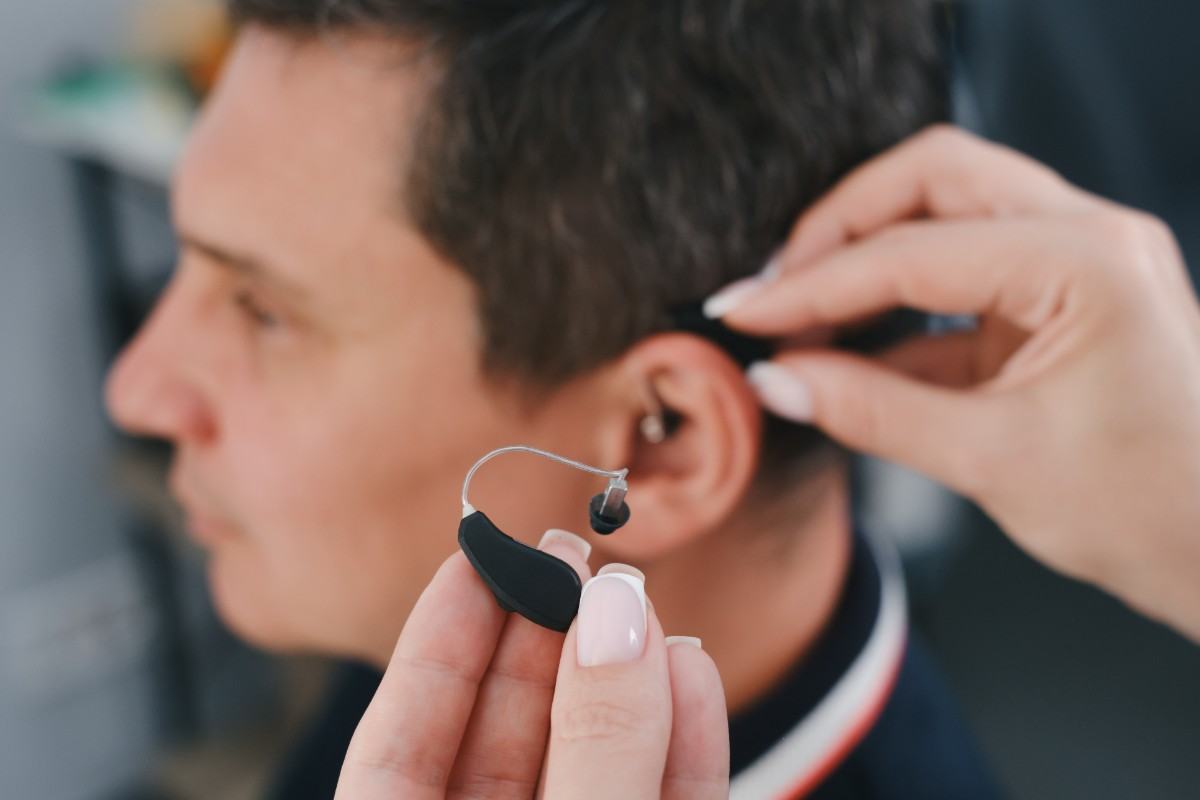
When it comes to managing these differences, there is no one-size-fits-all answer. Because your ears have different needs, the technology you choose should be able to handle those quirks. We often work with three specific hearing aid technologies because they approach these challenges in clever ways.
Oticon and the "Brain Hearing" philosophy
If you feel that traditional hearing aids sound a bit mechanical or sharp, you might appreciate the way Oticon works. They focus on what they call "Brain Hearing." Instead of just turning up the volume, these devices are designed to support the way your brain naturally processes sound. This is particularly helpful when your ears are uneven. By providing a more natural, balanced soundscape, Oticon helps reduce that mental fatigue we talked about earlier. It allows the brain to pick out the sounds you want to hear without feeling overwhelmed by an artificial tone.
Bernafon and speech clarity
Bernafon uses the same high-quality chip as Oticon but tunes it differently. They are well-known for their focus on speech-in-noise clarity. If your main frustration is losing the thread of a conversation when you are out for lunch, Bernafon is a fantastic option. They excel at picking out the subtle nuances of speech while keeping background noise under control. This is a great choice for those who need a bit of extra help to make their "weaker" ear keep up with the conversation.
Starkey and holistic wellness
Starkey takes a modern, proactive approach by linking hearing to your overall health. Their devices use integrated sensors and artificial intelligence to monitor your physical activity and social engagement. For people with asymmetrical hearing, Starkey’s "Edge Mode" is a standout feature. With a quick tap, the AI scans your environment and makes instant adjustments to improve clarity in that specific moment. This is incredibly helpful when one ear needs a sudden boost to handle a difficult acoustic situation. It is an excellent fit for active individuals who want their technology to manage the details of sound while also helping them stay on top of their fitness goals.
Practical tips for everyday life
While technology does a lot of the heavy lifting, you can also use some simple strategies to make life easier for your ears
Position yourself for success
In a restaurant or meeting, try to sit so your better ear is facing the people you want to hear. If you are in a booth at a pub, sit with your weaker ear toward the wall. This naturally blocks out some of the background noise and gives your stronger ear a clear path to the conversation.
Use visual cues
Hearing is not just about your ears; it involves your eyes too. Facing a person directly allows your brain to use lip-reading and facial expressions to fill in any gaps in the sound. Good lighting makes a massive difference here. Try to avoid sitting where a bright window is behind the person talking, as this turns them into a silhouette and makes it harder to see their face.
Give your brain a break
If you know you have a big event coming up, try to schedule some quiet time beforehand. Even ten minutes of silence can help lower your cognitive load and prepare your brain for the effort of listening in a crowd.
Protecting your ears and hearing health
Since your ears are already showing some differences, it is vital to protect the hearing you have. We love the outdoors and DIY projects, but many of our favourite hobbies are surprisingly loud.
- Mowing the lawn and DIY: Lawnmowers and DIY tools are loud enough to cause gradual damage. A pair of custom earplugs makes a big difference in protecting your hearing long-term!
- Concerts and sporting events: Don’t skip the fun. High-fidelity custom earplugs are designed to lower the volume without muffling the music, so you still get a great experience without the ringing ears the next day.
- The "One Metre Rule": If you have to shout to be heard by someone standing one metre away, the environment is loud enough to damage your hearing. This is a good sign that it is time to use protection or move to a quieter spot.

A better way to think about ear health
Viewing your ears as sisters rather than twins changes the conversation. It removes the pressure for everything to be "perfect" and allows us to focus on what actually works for you. By using high-quality research and the best technology available, we can help both your ears work together in harmony.
If you have noticed one ear is not pulling its weight, don’t ignore it. Your ears are doing their best, but sometimes they just need a little extra support to stay in sync. Book a hearing test at our audiology clinics in Footscray or Richmond, get to know your hearing baseline, and give them the care they deserve. After all, they are the only pair you have, and they work much better when they have the right help!
FAQs
Why does one ear hear better than the other?
It is very common for ears to develop differently. Small variations in your ear canal shape or the tiny bones behind your eardrum change how you process sound. Factors like past infections or one-sided noise exposure from driving also play a big role. Understanding these unique differences helps us find the right support for each side. Book a hearing assessment today in Richmond or Footscray.
Is it normal to feel tired after socialising if my hearing is uneven?
Yes, this is quite normal! When one ear provides a weaker signal, your brain works overtime to fill in the gaps. This extra mental effort can leave you feeling drained after a busy lunch or meeting. Addressing the imbalance with a hearing test and hearing aids helps reduce this fatigue and makes socialising much more enjoyable for you and your brain.
How do I know if my hearing difference needs professional attention?
If you struggle to locate sounds or find conversations difficult in noisy places, it is time for a check. Sudden changes or persistent muffled sensations also need a professional look. We offer same day and next day appointments at our audiology clinics in Footscray and Richmond. Getting an expert opinion ensures your ears get the specific care they need.
Can hearing aids help if only one ear is struggling?
Absolutely. We often use technology like Oticon to support the brain’s natural processing, Bernafon for improving speech clarity, and Starkey for instant adjustments informed by your environment. A single, well-fitted hearing aid can balance your hearing and improve your ability to tell where sounds come from. Our audiologists in Richmond and Footscray will tailor the settings to match the exact needs of your weaker ear for a natural feel.
Can I use different hearing aid settings for each ear?
Yes, and you should! Since your ears are sisters rather than twins, they rarely need identical support. Modern hearing aids allow us to programme specific settings for each side. This ensures your stronger ear is not overpowered while your weaker ear gets the boost it needs. Contact our Footscray or Richmond audiology clinic to get your settings correct.

Lisa Wong
BHSc(Psych). DipNatHT. DipHDPE. CertAuralMicrosuction. AACAud
More Articles