Why a Hearing Test at 45 Holds the Key to a Healthier Brain
Have you ever walked out of a busy Sunday lunch at the local pub feeling like you have just run a marathon? Your legs are fine, but your head feels heavy, you’re tired, and your thoughts are a bit fuzzy. That exhaustion is not in your imagination. It’s a sign that your brain is working overtime to compensate for what your ears are missing!
We often think of hearing as something that happens solely in our ears. We imagine those two fleshy bits on the side of our heads doing all the heavy lifting. In reality, your ears act as the gateway while your brain does the hard work. The brain takes vibrations collected by your ears and turns them into the laughter of your kids, the lyrics of your favourite song, or the warning hoot of an approaching car. When your hearing starts to dip, it is not just a volume issue. It is a cognitive challenge that can have a massive impact on your long-term mental health.
.jpeg)
Why hearing loss overloads your brain
Think of your brain as having a daily energy budget. Every task, from remembering where you parked to following a story, uses a slice of that power. When your hearing is sharp, the sound data flows in clearly. Your brain processes it easily, leaving plenty of "battery life" for you to remember where you put your keys or to follow a witty joke.
When your hearing begins to fade, that clear stream of data turns into a grainy mess. Your brain has to drop everything else to try and decode the signal. It starts guessing. Was that word "fill" or "bill"? Did they say "thirteen" or "thirty"? Your brain now has to "steal" energy from other departments like memory and logic just to decode a simple sentence.
This creates a state of constant cognitive overload. It is like trying to drive your car while the breaks are on. Over time, this persistent strain wears the mind down. Because your brain is so busy trying to hear, it stops focusing on other vital jobs like storing memories or solving problems. This constant state of high alert and mental exhaustion can lead to physical changes in the brain. By clearing up the sound signal with the right technology, you give your brain its energy back, allowing it to focus on what matters most.
How this links to dementia
It sounds a bit scary to talk about dementia and hearing in the same breath! However, the research is actually quite empowering because it gives us something we can control. A major study by The Lancet recently looked into how we can prevent dementia. They found that mid-life hearing loss is the single biggest risk factor that we can actually do something about.
By managing your hearing, you could potentially lower your risk of dementia by about 7%. In terms of health, that is a huge margin! It means that looking after your ears is just as important as eating well or keeping your heart healthy.
There are three main reasons why hearing loss contributes to dementia. First, there is the mental strain we just talked about. Second, there is brain atrophy. If the part of your brain that handles sound goes quiet for too long, it actually starts to shrink or get rewired. Third, there is social isolation. If it is too hard to hear the conversation at the footy or over a coffee, you might stop going. When we stop seeing people, our brains lose the stimulation they need to stay fit and healthy.
It’s essential to check your hearing at age 45-65
When we talk about mid-life in the context of hearing health, we are generally looking at the 45-65 age bracket. This is a bit of a blind spot for all of us! At this age, you likely feel at the top of your game. You are active, social, and busy with work or family. Because you don’t fit the old-fashioned stereotype of a hearing aid wearer, it is very easy to dismiss the early signs.
The landmark research from the Lancet Commission specifically highlights this age group as the most critical time for intervention. They define mid-life as starting from age 45. This is because the brain is still incredibly adaptable at this stage. If you start supporting your auditory system in your fifties, you are far more likely to maintain high cognitive function well into your 70s and 80s.
Because we don’t feel deaf enough to need help, we often shrug these moments off as tiredness or a noisy room. However, this is exactly the stage where your brain is most vulnerable to the effects of a fading signal.
Waiting until your hearing is significantly gone means your brain has already spent years straining and rewiring itself. Catching these tiny changes early is not about admitting you are getting older; it is about making sure your brain stays sharp for the decades ahead. Identifying a slight dip now allows you to stay proactive, ensuring you never miss a beat in the boardroom or at the family dinner table.

Hearing health is about ageing well
We all love our independence. We want to be able to drive, travel, and keep up with the kids and grandkids for as long as possible. We invest in good shoes for walking, glasses if our eyesight is a bit blurry, and sunscreen for our skin. It is time we start looking at hearing care as a vital part of that same routine.
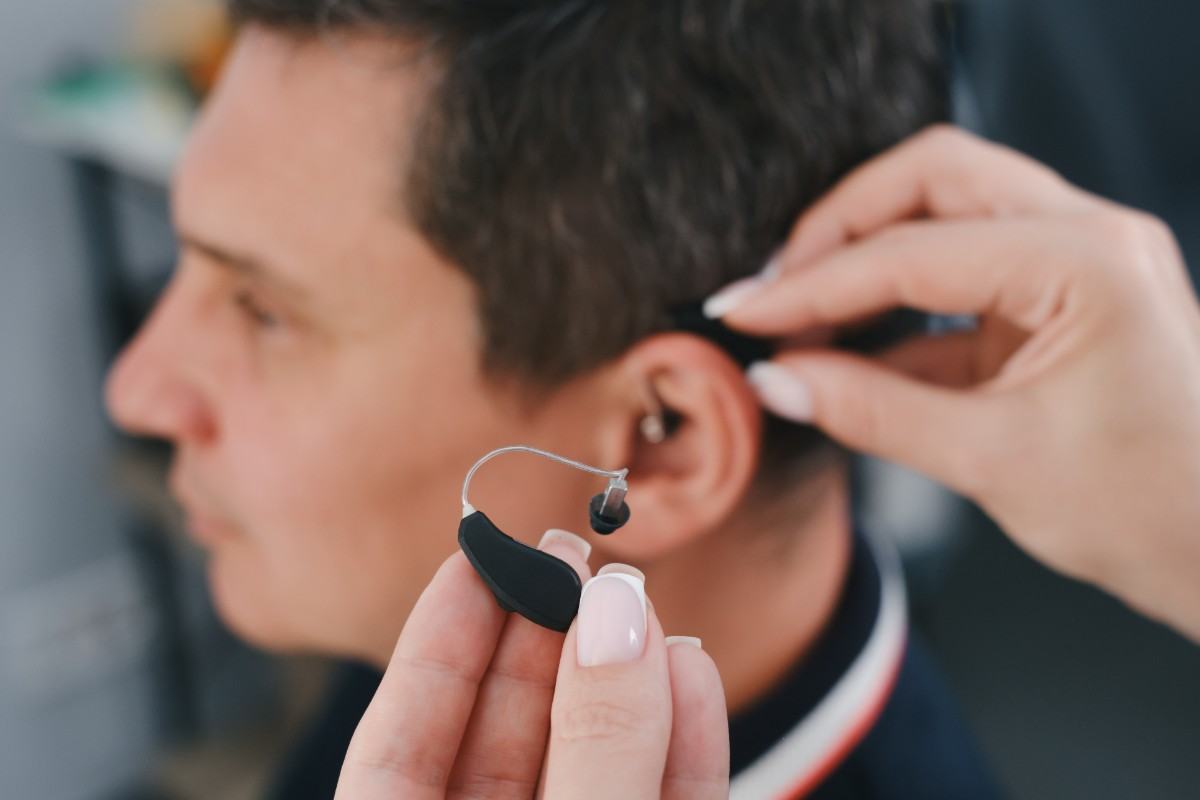
Getting a hearing test or using hearing technology is not a sign that you are slowing down. Quite the opposite. It is a tool that allows you to keep up. It is about giving your brain the best possible chance to stay young. When you can hear clearly, you stay connected to your friends, your family, and your community.
Taking care of your hearing is one of the simplest things you can do to protect your mind. It is about making sure that life stays vibrant and that you never miss out on the moments that matter. Your brain has a lot of work to do over the coming decades. Why not make that job a little bit easier?
So, next time you are struggling to hear over the dinner table or turn up the TV, take it as a sign that your brain is asking for a bit of support and book an audiologist appointment. Addressing your hearing health today is the best gift you can give your future self. It keeps the conversation flowing and, more importantly, it keeps your mind exactly where it needs to be: sharp, engaged, and right in the middle of the action.
FAQs
What is the link between hearing loss and dementia?
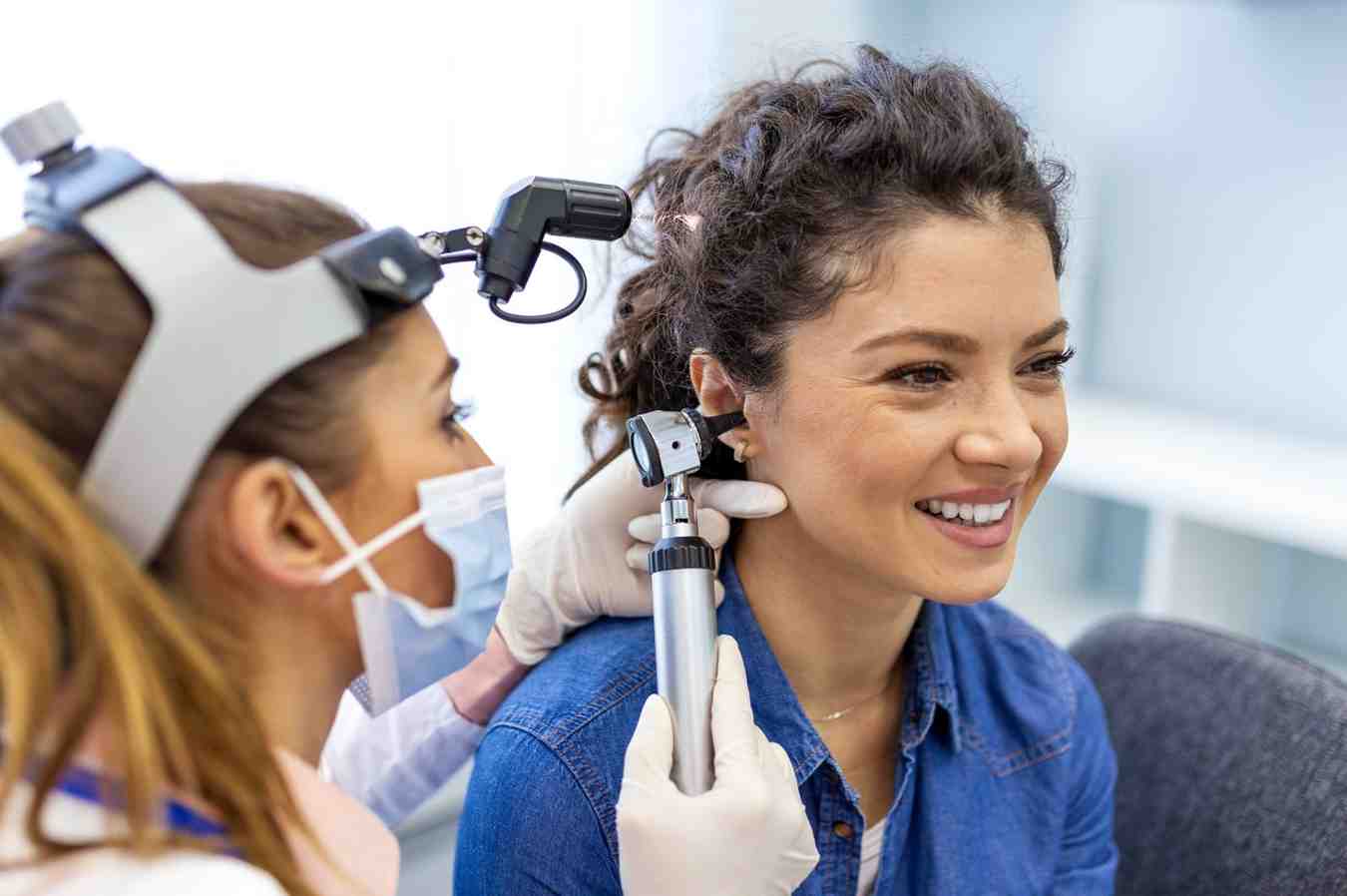
Research shows untreated hearing loss between ages 45 and 65 is a major risk factor for dementia. When your brain struggles to decode muffled sounds, it uses up energy needed for memory and thinking. Keeping your auditory pathways active ensures your brain stays fit. We help people of all ages in Footscray and Richmond stay sharp by identifying these issues early through comprehensive clinical assessments.
Can hearing aids help stop dementia or cognitive decline?
Hearing aids act as a support system for your mind. They clear up sound signals so your brain does not have to guess what people are saying. This reduces mental strain. Our team can test your hearing and fit you with the latest technology to ensure your brain gets the high-quality stimulation it needs to function at its best. Book a same-day or next-day hearing appointment in Footscray or Richmond.
I only have mild hearing loss, do I really need hearing aids now?
Even mild hearing loss forces your brain to work harder. Waiting for it to get worse means your brain loses the habit of processing certain sounds. Addressing it early by getting the best hearing aids is the best way to prevent long-term cognitive decline. We offer same-day and next-day appointments in Richmond and Footscray to help you stay ahead of the curve.
Why does listening feel so exhausting lately?
This is called listening fatigue. When you have hearing loss, your brain works overtime to fill in the gaps of a conversation. By the end of the day, your mental battery is drained. High-quality hearing aids from our Footscray or Richmond clinics take that weight off your shoulders, making socialising feel effortless and fun again. Book a hearing test with us today.
Which hearing aids are best for supporting brain health?
The best devices focus on more than just volume; they prioritise natural sound processing. Brands like Oticon use "BrainHearing" technology to give your mind a full 360-degree soundscape, while Starkey uses advanced sensors and artificial intelligence to monitor brain activity and physical health. Both brands reduce the mental load on your brain by making listening more intuitive. Our Richmond and Footscray audiologists specialise in these advanced brands and can provide a same-day fitting to help you stay sharp. Book today!

Lisa Wong
BHSc(Psych). DipNatHT. DipHDPE. CertAuralMicrosuction. AACAud
More Articles