How To Clean and Maintain Hearing Aids for a Long Service Life
Your hearing aids work tirelessly every day, picking up thousands of sounds and filtering them through sophisticated technology. Like any precision instrument, they need proper care to perform their best. Whether you wear Oticon devices with their Brain Hearing philosophy, Bernafon aids known for exceptional speech clarity in noisy environments, or Starkey's innovative technology, the right maintenance routine will extend their lifespan significantly.
Why Proper Maintenance Matters
Hearing aids face unique challenges every day. Your ear canal produces natural oils, moisture, and wax that can clog receivers and damage delicate circuits. Dead skin cells accumulate around the devices. Temperature changes from moving between heated homes and cold outdoor air create condensation inside the electronics.
Modern hearing aids like those from Oticon, Bernafon, and Starkey include protective measures against these elements. However, they still require your help to function optimally. Clean devices provide better sound quality, reduce feedback whistling, and maintain the precise frequency response your audiologist programmed.
Poor maintenance leads to common problems. Ear wax blockages muffle sound and reduce battery life. Moisture damage causes crackling sounds or complete failure. Accumulated debris affects microphone sensitivity, making speech harder to understand in challenging listening situations.
Daily Cleaning Essentials
Start each morning by inspecting your hearing aids before insertion. Look for visible wax, debris, or moisture in the sound outlet, microphone ports, and battery compartment. Use proper lighting and consider keeping a small magnifying glass handy.
Clean the exterior casing with a soft, dry cloth. Avoid using water, alcohol, or cleaning solutions unless specifically designed for hearing aids. These liquids can penetrate seals and damage internal components. Instead, use the cleaning tools provided by your audiologist or purchase manufacturer-approved accessories.
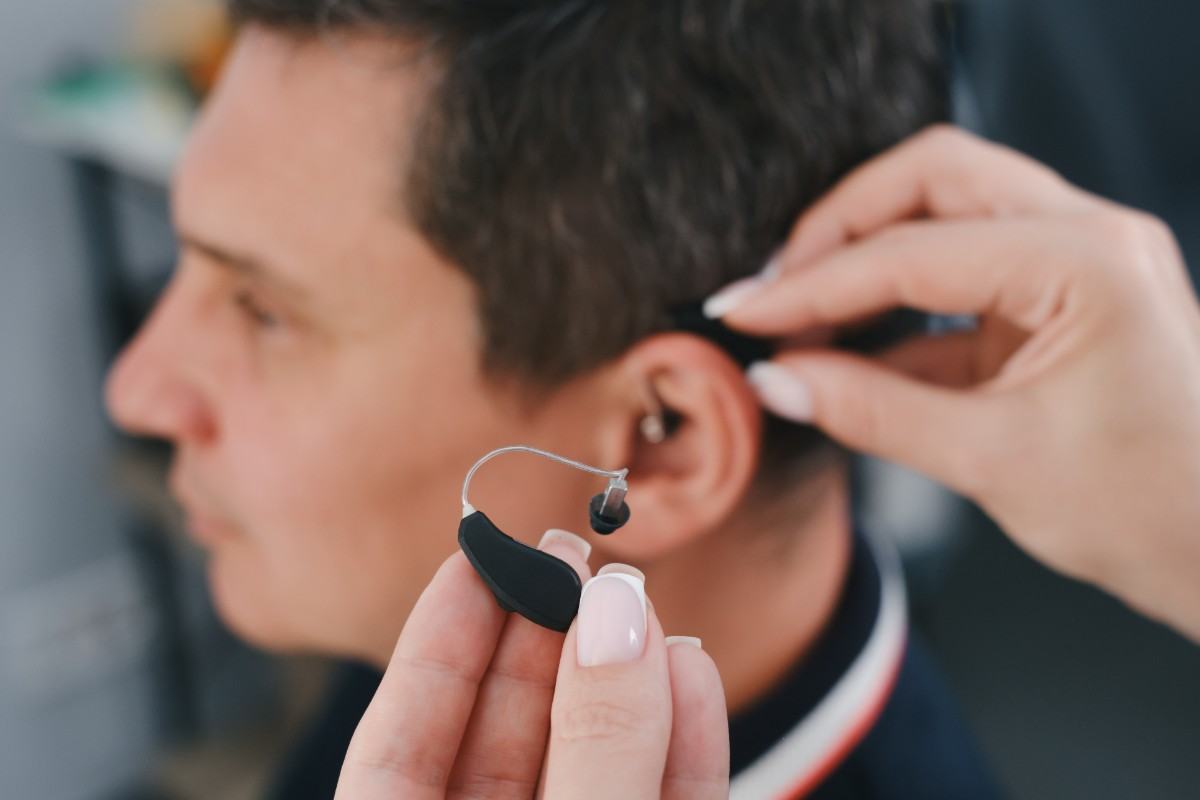
For behind-the-ear models popular in the Oticon and Bernafon ranges, pay special attention to the tubing connection. Check for cracks, discolouration, or moisture buildup. The tubing should remain flexible and clear. Replace it immediately if you notice any deterioration.
In-the-ear models require careful attention to the sound outlet and vent openings. Use the small brush or pick included in your cleaning kit to remove any visible wax or debris. Work gently to avoid pushing material deeper into the device.
Weekly Deep Cleaning Routine
Once a week, perform a more thorough cleaning routine. Remove batteries and leave the battery doors open overnight to allow moisture to evaporate naturally. This simple habit prevents corrosion and extends battery life.
Clean the battery contacts using a dry cotton bud or the special brush from your cleaning kit. Corroded contacts appear green or white and prevent proper electrical connection. If you notice corrosion, contact your audiologist immediately as this often indicates moisture damage requiring professional attention. For devices with removable ear moulds or domes, detach these components and clean them separately.
Wash custom moulds in warm soapy water, rinse thoroughly, and dry completely before reattaching. Replace disposable domes according to your audiologist's recommendations, typically every 2-4 weeks.
Check all openings using your cleaning tools. The wax filter (if your device has one) should appear clean and intact. These tiny filters prevent wax from entering the receiver and should be replaced when they appear blocked or discoloured.
How to Prevent Issues from Moisture
Moisture represents the biggest threat to hearing aid longevity. Even small amounts can cause significant damage to sensitive electronics. Australian weather creates particular challenges, especially in areas with frequent rain and high humidity levels.
Remove your hearing aids before showering, swimming, or engaging in vigorous exercise. Store them in a dry, safe location whilst you're in the bathroom or gym. Many people find a dedicated container near the bathroom sink works well for this purpose.
Consider investing in a hearing aid dehumidifier. These devices use desiccants or gentle heat to remove moisture from your aids overnight. Place the hearing aids inside the dehumidifier each evening after removing the batteries. This routine prevents moisture accumulation and often resolves minor crackling sounds.
Professional-grade electric dehumidifiers offer superior moisture removal compared to passive desiccant containers. They're particularly valuable for people who live in humid climates, work in damp conditions, or perspire heavily.
Brand-Specific Considerations
Oticon hearing aids, with their Brain Hearing technology, often feature advanced connectivity options like Bluetooth streaming. These wireless features require additional care to maintain optimal performance. Keep the charging contacts clean on rechargeable models using a dry cloth. Avoid exposing the devices to extreme temperatures, which can affect both the wireless functionality and the sophisticated sound processing algorithms.
The protective coating on Oticon devices requires gentle handling during cleaning. Use only the soft brush provided in your maintenance kit. Harsh cleaning tools can damage the special nano-coating that repels moisture and debris.
Bernafon aids, known for their exceptional speech-in-noise performance, utilise the same advanced chip technology as Oticon. Pay particular attention to the microphone openings, as these devices rely on precise sound capture for their directional features. Clean the microphone ports gently but thoroughly to maintain the clarity that makes these aids so effective in challenging listening environments.
The frequency response tuning in Bernafon devices depends on unobstructed sound pathways. Regular cleaning of vents and receivers ensures the sophisticated processing algorithms continue to work as intended.
Starkey hearing aids often incorporate unique features like fall detection and health monitoring. These additional sensors require specific care considerations. Avoid using excessive pressure when cleaning around sensor areas. The accelerometers and other monitoring components need clear operation to function properly.
Professional Maintenance and Servicing
Professional cleaning should complement your daily routine, not replace it. Schedule appointments with your audiologist every 3-4 months for comprehensive maintenance. These visits include deep cleaning using specialised tools and solutions not available to consumers.
Professional servicing includes performance verification using real-ear measurements and speech testing. Your audiologist can detect problems developing before they affect your daily hearing experience. They'll check internal components, verify programming accuracy, and adjust if needed.
During these visits, discuss any concerns about sound quality, comfort, or reliability. Changes in your hearing or lifestyle might require programming adjustments. Your audiologist can also assess whether replacement parts like tubing, domes, or wax filters need updating.
Many audiology practices offer maintenance plans that include regular cleaning, minor repairs, and replacement parts for a fixed annual fee. These programmes often prove cost-effective for people who wear their aids daily and want professional oversight of their investment.
Troubleshooting Common Issues
Weak or distorted sound often indicates wax blockage in the receiver or sound outlet. Use your cleaning brush to remove visible debris, then contact your audiologist if problems persist. Never use sharp objects or excessive force, as you might damage delicate components permanently.
Intermittent sound frequently results from moisture in the battery compartment or loose connections. Remove batteries and dry the compartment thoroughly. If problems continue, professional inspection can identify whether internal moisture damage has occurred. Feedback whistling typically indicates wax buildup in your ears rather than device problems. However, cracked tubing or loose-fitting ear moulds can also cause whistling. Check all connections and schedule professional assessment if cleaning doesn't resolve the issue.
Battery drain can increase due to moisture, debris affecting electronic components, or programming changes. Track battery life patterns and report significant changes to your audiologist. Sudden increases in power consumption often indicate developing technical problems.
Expert Ear Care at Our Footscray and Richmond Clinics
At our audiology clinics in Footscray and Richmond, our audiologists prioritise your hearing needs over sales targets, ensuring completely unbiased recommendations tailored to your lifestyle and budget. We provide comprehensive support from initial assessment through device fitting to ongoing maintenance, working with leading manufacturers and accepting various funding options including WorkCover and the Australian Government's Hearing Services Program. Call us today for any assistance you may need!

Lisa Wong
BHSc(Psych). DipNatHT. DipHDPE. CertAuralMicrosuction. AACAud
More Articles