Why Your Ears Deserve the Same Attention as Your Eyes

When was your last eye test? If you're like most people, you can probably answer that question fairly quickly. Two years ago? Last spring? Maybe you're even overdue and feeling a bit guilty about it!
Now, here's a trickier question: when did you last have your hearing tested?
If you're drawing a blank, you're not alone. Most of us treat our eyes and ears with completely different levels of care, even though both senses play equally vital roles in how we experience the world. We pop to the optician every couple of years without thinking twice about it. We try on frames, update our prescription, and treat the whole thing as routine maintenance. Yet the idea of booking a hearing test? That feels different somehow. More serious. Something you do when there's already a problem.
This double standard doesn't make much sense when you stop to think about it!
The glasses paradox
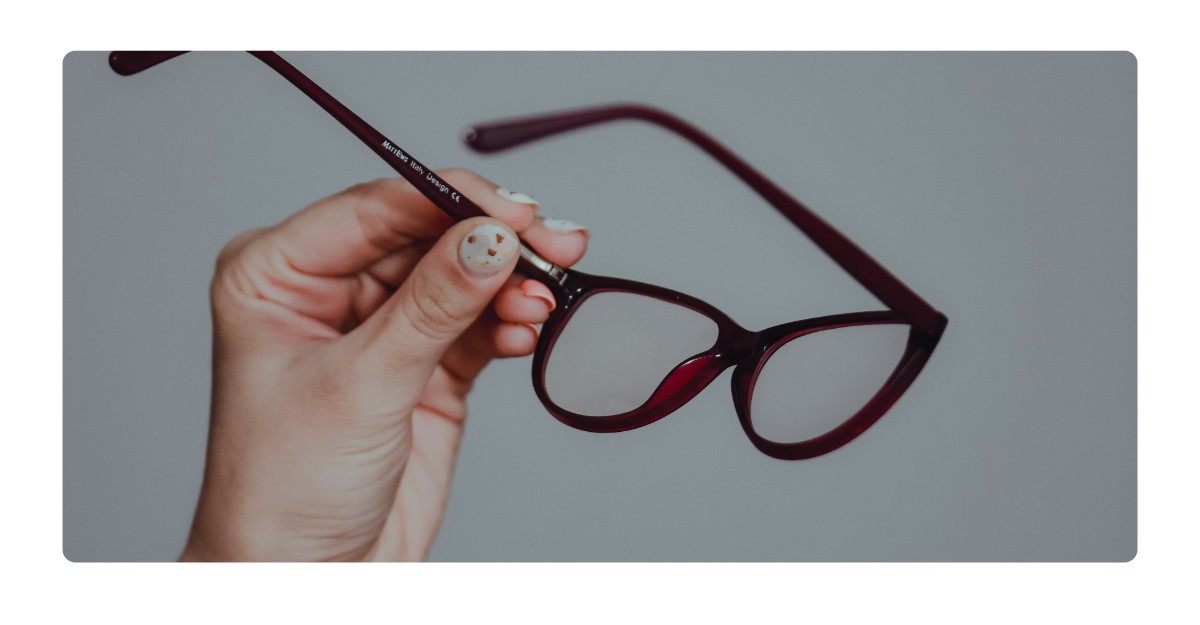
Let's start with an interesting observation. Glasses have become fashion accessories. Celebrities pose in them for photoshoots. People choose frames that express their personality. Some folks even wear non-prescription glasses purely for style. When someone gets specs for the first time, friends often say things like "they really suit you!" Nobody whispers about it or treats it as a medical crisis.
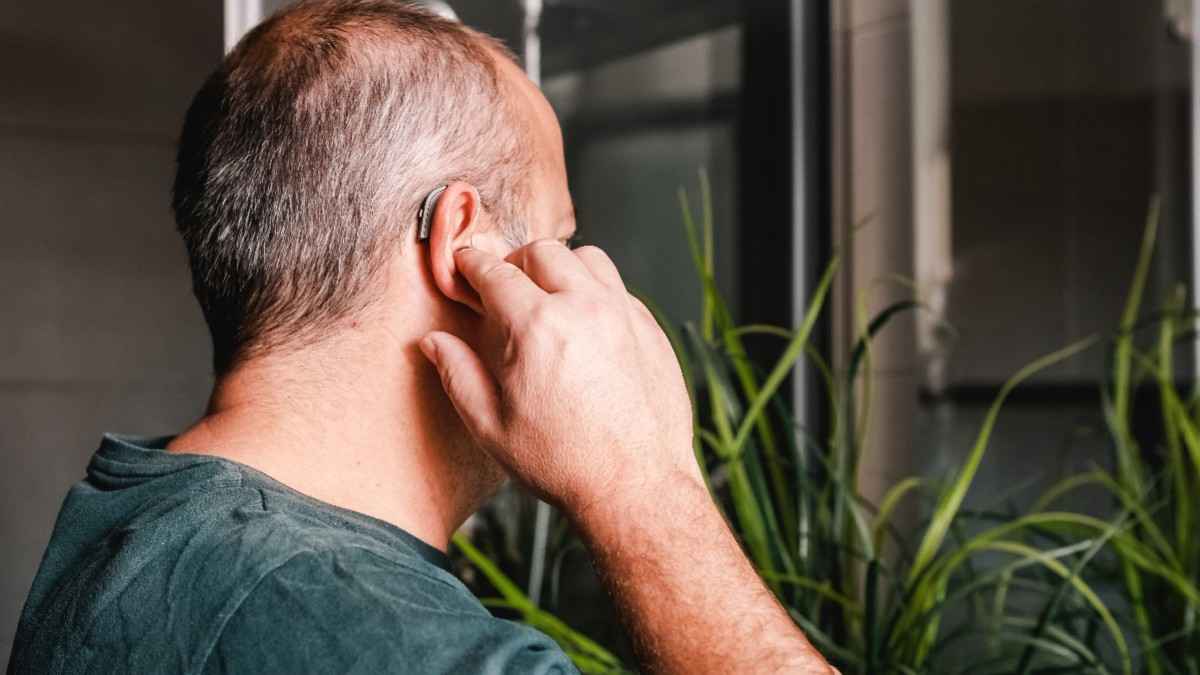
Hearing aids, on the other hand, still carry an outdated stigma in many people's minds. They're associated with getting old, with decline, with something being "wrong" with you. This perception persists despite the fact that modern hearing aids are technological marvels that can connect to your smartphone, adjust automatically to different environments, and in many cases are practically invisible.
The comparison becomes even more puzzling when you consider the statistics. Research from the World Health Organization shows that over 430 million people worldwide require rehabilitation for hearing loss. In Australia alone, around 3.6 million people have some degree of hearing loss. That's roughly 1 in 6 Australians! Age plays a role, certainly, but so do workplace noise, recreational activities, genetics, and dozens of other factors that affect people at all life stages.
Why we ignore our ears
There's a psychological reason we treat vision and hearing so differently. Vision loss tends to be obvious and immediate. You struggle to read a menu, squint at road signs, or notice your computer screen getting blurry. The feedback is direct and impossible to ignore.
Hearing loss usually happens gradually. Your brain is remarkably good at filling in gaps and making educated guesses about what people said. You might turn the telly up a notch. You might position yourself differently in group conversations. These tiny adjustments happen so naturally that you barely notice them.
Studies have found that people wait an average of seven to ten years from the time they first notice hearing difficulties to when they actually do something about it. Seven to ten years of missed conversations, misunderstood jokes, and increasing mental fatigue from constantly trying to piece together what you've heard.
That's a long time to muddle through.
The real problem of untreated hearing loss
Here's where things get serious. Untreated hearing loss doesn't simply mean missing the occasional word. Research has found strong links between hearing loss and cognitive decline. When your brain has to work overtime to decode sounds and speech, it has fewer resources available for memory and thinking. Over time, this constant strain contributes to cognitive issues, including increased dementia risks!
The social effects matter too. People with untreated hearing loss often start withdrawing from social situations. Busy restaurants become stressful. Family gatherings feel exhausting. Work meetings require intense concentration. Rather than constantly asking people to repeat themselves, many people simply participate less. They smile and nod, pretending to follow along.
This social withdrawal can lead to isolation, which carries its own health risks. Studies have connected loneliness and social isolation to increased rates of depression, anxiety, and even physical health problems. All from something that could be addressed with a simple hearing test and appropriate support.
The workplace impact deserves attention as well. Missing details in meetings, struggling with phone calls, or mishearing instructions can affect job performance and confidence. Research from the Better Hearing Institute found that untreated hearing loss can negatively impact household income by an average of up to $12,000 per year, depending on the degree of hearing loss.
So, what stops people from getting their hearing tested?
The reasons vary, but there are several common themes! Some people genuinely don't realise their hearing has changed. Because it happens so gradually, they assume everyone else mumbles or that background noise has always been this challenging. They might blame poor acoustics in restaurants or say people aren’t speaking clearly.
Others notice the changes but convince themselves it's not significant enough to address. "I can still hear most things," they reason. "I'll deal with it when it gets worse." This logic rarely applies to vision. Nobody waits until they're completely unable to see, tripping around the house, or failing a driving test before getting glasses.
Then there's the fear factor. Some worry that a hearing test will confirm their worst suspicions or commit them to wearing hearing aids. They imagine bulky, beige devices that whistle and draw attention. They picture themselves suddenly looking decades older.
The good news? Nearly all of these concerns are based on outdated information.
Hearing tech is wellness tech
If your mental image of hearing aids involves your grandmother's whistling beige banana or a cartoon ear trumpet, prepare to be surprised. Modern hearing technology bears almost no resemblance to devices from even ten years ago.
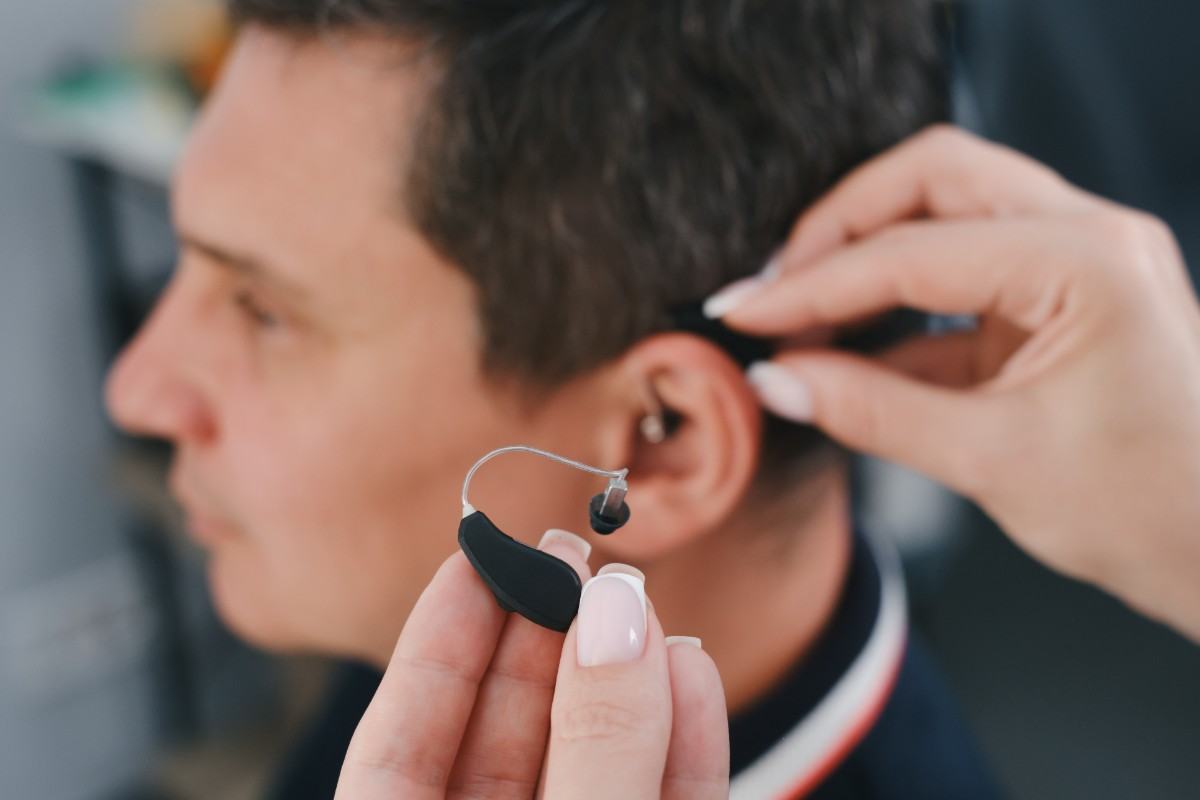
Today's hearing aids are sophisticated computers that process sound in real-time. Many models connect wirelessly to your smartphone, allowing you to stream calls, music, and podcasts directly to your ears. You can adjust settings through an app, creating different profiles for restaurants, meetings, or outdoor activities.
The design has evolved too. Many hearing aids now sit completely inside the ear canal, making them virtually invisible. Even the behind-the-ear models are sleek and discreet. Some come in fashion colours if you want to make a statement, or in subtle tones if you prefer them to blend in.
Perhaps most importantly, the sound quality has improved dramatically. Early hearing aids simply amplified everything, which could make the world feel harsh and artificial. Modern devices use advanced processing to distinguish between speech and background noise. They can identify and reduce wind noise, amplify the voices you want to hear, and create a natural listening experience.
Technologies like Oticon's Brain Hearing philosophy recognise that hearing happens in the brain, not just the ears. These approaches focus on delivering sound in a way that supports how your brain naturally processes information. The result feels more natural and less tiring than traditional amplification.
It’s time for a new normal
We've normalised preventative care for nearly every other aspect of our health. We get regular dental check-ups to catch cavities early. We monitor our blood pressure, cholesterol, and blood sugar levels. We test our eyes every couple of years, even when nothing seems wrong.
Hearing deserves the same proactive approach.
Getting a baseline hearing test in your thirties or forties gives you valuable information. You'll know what's normal for you, making it easier to spot changes later. If you work in noisy environments or have hobbies that expose you to loud sounds (musicians, shooting sports enthusiasts, and motorcycle riders all face increased risk), regular monitoring becomes even more important.
Early detection makes a genuine difference. Addressing mild hearing loss early means your brain doesn't have to work as hard to compensate. You avoid the years of strain and social withdrawal that often precede treatment. You maintain connections and stay engaged with the world around you.
Think of it this way: you wouldn't wait until you're completely unable to read before getting glasses. Why apply different standards to your hearing?
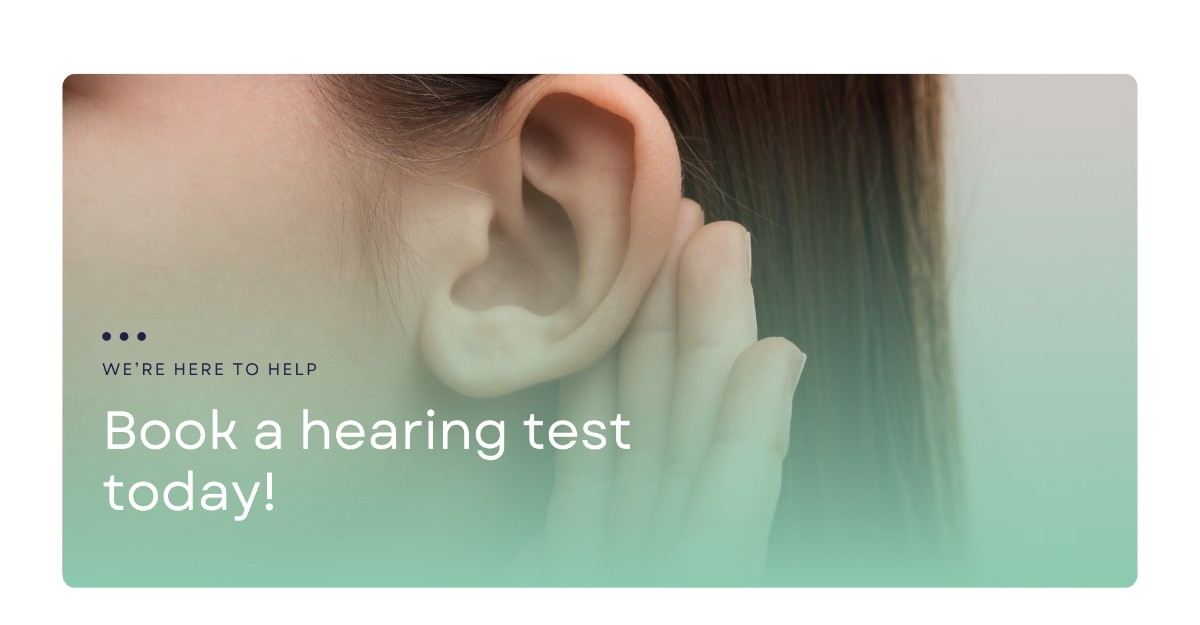
Now, book that hearing test!
Your ears work just as hard as your eyes. They help you connect with loved ones, stay safe in traffic, enjoy music and nature, and navigate your professional life. They deserve the same care and attention you give to your vision.
The outdated stigma around hearing loss and hearing aids belongs in the past, along with the clunky technology that helped create it. Modern hearing care offers sophisticated solutions that can genuinely improve your quality of life. The assessment process is straightforward, the technology is impressive, and the benefits extend far beyond simply hearing better.
We've already accepted that glasses are a normal part of life for millions of people. Nobody thinks twice about needing vision correction. Hearing aids deserve the same acceptance. They're tools that help you engage fully with the world, maintain your independence, and protect your cognitive health as you age.
The next time you book an eye test, consider booking a hearing assessment at our Footscray or Richmond audiology clinics as well. Make it part of your regular health routine. Your future self will thank you for acting early rather than waiting until problems become impossible to ignore.
After all, life sounds better when you can actually hear it clearly. Why settle for anything less?
FAQs
I'm only 35. Am I too young for a hearing test?
Definitely not. Hearing loss affects people of all ages due to noise exposure, genetics, medications, and health conditions. Establishing a baseline now helps track changes over time and catch problems early. Younger adults with active lifestyles often benefit most from early intervention. Book your baseline test at our Richmond or Footscray clinics.
Aren't hearing aids just for deaf people and seniors?
Hearing aids help anyone with hearing loss, from mild to profound, at any age. Modern hearing aid devices are sophisticated wellness technology with Bluetooth connectivity, smartphone apps, and AI-powered sound processing. They support brain health, reduce listening fatigue, and enhance quality of life. Think smart earbuds that happen to improve hearing. Speak to our audiologists in Footscray or Richmond for same-day appointments.
Should I get a hearing test if I only have slight hearing loss?
Absolutely. Mild hearing loss caught early prevents your brain from working overtime to compensate, reducing mental fatigue and cognitive strain. A baseline test now makes tracking future changes easier and gives you options before problems worsen. Early intervention produces better outcomes than waiting years. Book a hearing assessment at our Footscray or Richmond clinics today for peace of mind.
Will getting a hearing test mean I'll have to get hearing aids?
Not at all. A hearing test simply provides information about your hearing health. Many people test perfectly fine and leave with reassurance and prevention tips. If hearing loss is detected, our audiologists discuss all options without pressure. You're in control of any decisions. Book a no-obligation assessment at our Footscray or Richmond clinics with same-day availability.

Lisa Wong
BHSc(Psych). DipNatHT. DipHDPE. CertAuralMicrosuction. AACAud
More Articles