How Australian Businesses Can Prevent Noise-Induced Hearing Loss

Picture this: You're chatting with a colleague in your workshop when suddenly the industrial press fires up. You both stop mid-conversation, waiting for the deafening noise to stop so you can carry on talking. Sound familiar? If you're nodding along, your workplace might be putting people's hearing at risk.
Noise-induced hearing loss affects thousands of Australian workers every year, and here's the thing: it's completely preventable. Once those delicate hair cells in your inner ear are damaged, they don't grow back. Ever. But the good news? With some straightforward steps, you can protect your team's hearing and create a much more pleasant place to work.
Why this matters more than you might think
Beyond the obvious human cost (nobody wants to lose their hearing), noisy workplaces create real business headaches. Staff productivity drops when people struggle to communicate. Workers compensation claims go up. Team morale suffers when everyone's constantly shouting over machinery. Plus, you might find yourself dealing with regulatory visits that nobody wants.
The silver lining? Most noise problems have practical solutions that don't require a massive budget overhaul.
What the law actually expects from you
Under Australia's Work Health and Safety laws, you need to provide a safe workplace. The magic number is 85 dB(A) averaged over an eight-hour shift. To put that in perspective, normal conversation sits around 60 dB(A), whilst a busy restaurant might hit 80 dB(A). Once you're approaching 85 dB(A), you're in the zone where you need to take action.
Here's something that catches many people out: every 3 dB increase halves the safe exposure time. So 88 dB(A) is safe for four hours, not eight. It adds up quickly.
The law doesn't expect you to simply chuck some earplugs at people and call it done. You need a proper plan that reduces risk as much as reasonably possible.
Step One: Work Out What You're Dealing With
You can't fix what you don't understand. Start by walking through your workplace with fresh ears. Where do you find yourself raising your voice to be heard? Which machines make you wince? When do conversations stop because it's too loud?
Common noise hotspots include:
- Workshop areas with power tools or construction machinery
- Commercial kitchens with blenders and dishwashers
- Loading docks with forklifts and trucks
- Plant rooms with compressors and ventilation
- Outdoor areas near generators or air conditioning units
Grab a sound level meter for a quick check. Smartphone apps work for initial screening, though you'll want a qualified occupational hygienist for formal measurements. They'll give you proper time-weighted averages and peak readings, plus a clear report that explains what it all means.
The Smart Approach: Following the Hierarchy of Controls
Think of this as your roadmap. Start at the top and work your way down:
- Elimination and substitution: Can you remove the noise source altogether? When you’re replacing equipment, choose quieter models. Most manufacturers list noise specifications these days. Sometimes moving a process to a different location or time can dramatically reduce who gets exposed.
- Engineering controls: Enclose noisy machines in soundproof housing. Add vibration dampers to motors and compressors. Install acoustic barriers or absorption panels. The key is tackling the noise at source rather than trying to protect everyone from it.
- Administrative controls: Rotate staff so nobody spends all day in the noisiest areas. Schedule loud maintenance work outside peak hours when possible. Create quiet zones where people can escape the noise. Put up clear signage so everyone knows which areas need ear protection.
- Personal protective equipment: When other controls cannot or haven't brought noise down to safe levels, provide proper hearing protection. Make sure it fits properly and that people know how to use it correctly.
Build a Hearing Conservation Programme That Works
If you've got noise exposure that could exceed the limits, you need a hearing conservation programme. Don't worry, it doesn't need to be complicated, but it should be thorough.
Your programme should include:
- Regular noise monitoring to track changes
- Clear policies about exposure limits and responsibilities
- Training that helps people understand the risks
- Proper hearing protection that's maintained and replaced regularly
- Fit testing to make sure protection actually works for each person
- Baseline hearing tests followed by regular check-ups
- Good record keeping and scheduled reviews
The hearing tests are particularly important. A baseline audiogram gives you something to compare against later. If someone's hearing starts to decline, you can spot it early and take action. It also helps you work out whether your controls are doing their job.
Choose Hearing Protection That People Will Actually Use
Here's the truth: the best hearing protection is the one people will wear consistently. If it's uncomfortable, doesn't fit properly, or makes communication impossible, it'll end up in someone's pocket rather than their ears.
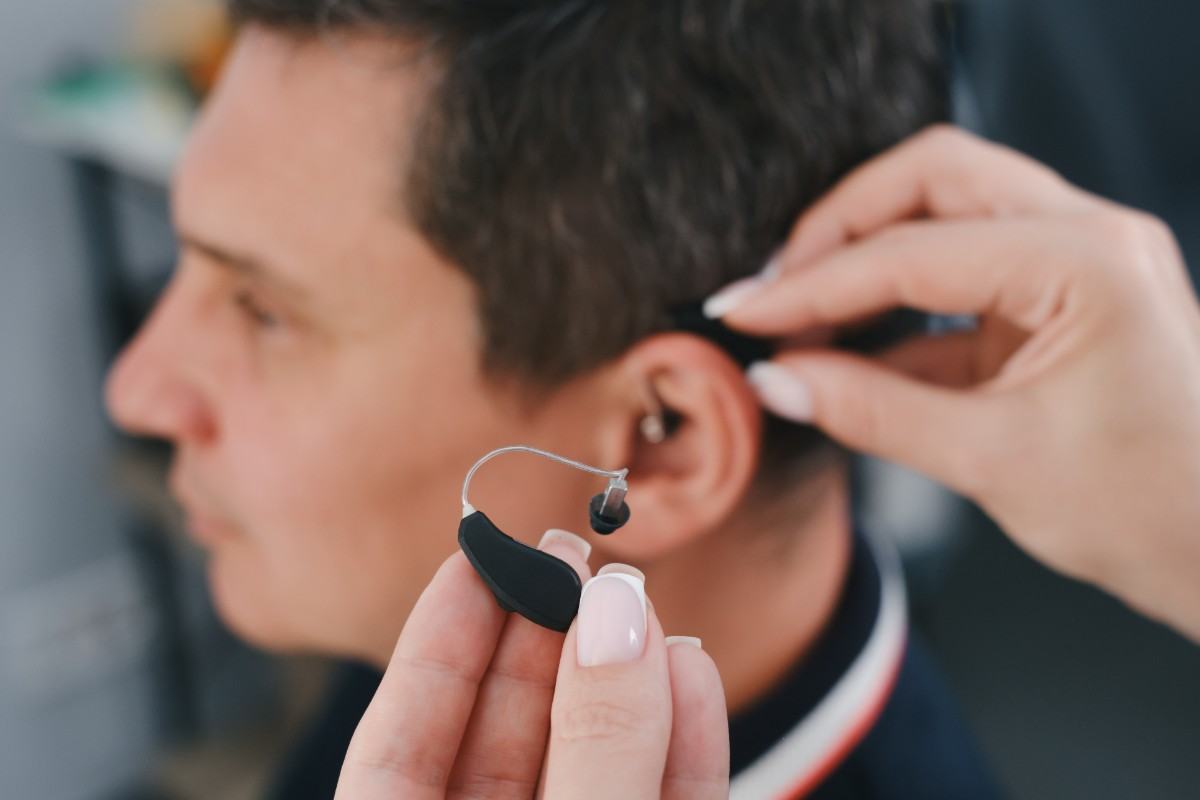
Custom industrial ear plugs will filter out harmful noise whilst letting through speech and important ambient sounds. They're perfect for roles where communication matters.
The key is proper fit testing. Poor-fitting protection can reduce effectiveness by 50% or more. It's worth investing time to get this right.
Get Your Team Onboard
People protect their hearing when they understand why it matters and feel involved in the solution. Here's how to make that happen:
- Start conversations about noise during team meetings. Ask people which tasks they find loudest and where they think improvements could be made. You'll often get brilliant suggestions from the people doing the work every day.
- Run practical training sessions that show how hearing works and why protection matters. Demonstrate how to fit earplugs properly and let people try different types to find what works for them.
- Make hearing tests convenient and confidential. Many providers offer mobile audiometry services that come to your workplace. Keep results private and explain what they mean in plain English.
- Recognise good practice when you see it. A quick "thanks for setting a good example with your ear protection" goes a long way.
Smart Strategies for Small Businesses
You don't need a massive budget to make real improvements:
- Regular maintenance: A well-maintained machine is usually a quieter machine. Replace worn bearings, tighten loose panels, and lubricate moving parts. This often cuts noise significantly for minimal cost.
- Strategic placement: Sometimes simply moving a noisy machine away from work areas or pointing it in a different direction makes a huge difference.
- Acoustic treatment: Basic acoustic panels or even heavy curtains can reduce reflected noise in echoey spaces. You often don't need a full acoustic fit-out to see improvements.
- Procurement power: When buying new equipment, make noise levels part of your decision criteria. The difference between a loud and quiet model is often minimal in price but massive in daily comfort.
When to Call in Audiologists
Bring in an occupational hygienist when noise risks are complex, when you need formal measurements for compliance, or when you're not sure what controls will work best. They can design proper monitoring programmes and help you build a hearing conservation strategy that meets regulatory requirements.
Audiologists are invaluable for setting up hearing testing programmes and helping with selection of hearing protection. They can also provide training that really resonates with your team.
Don't forget that your state WorkSafe agency and Safe Work Australia offer excellent guidance and resources, often at no cost.
Tracking Your Success
Set simple measures so you can see whether your efforts are working:
- Noise levels in key work areas (aim for consistent reductions)
- Number of people exceeding exposure limits (should trend downward)
- Hearing test results across your workforce (stable or improving trends)
- Staff feedback about comfort and communication
- Usage rates for hearing protection (high and consistent)
Review these quarterly and adjust your approach based on what the data tells you.
Common Pitfalls to Dodge
- Over-protection: Cranking protection levels so high that people can't communicate or hear warning signals creates new safety risks. Aim for appropriate protection, not maximum protection.
- One-size-fits-all thinking: Different people prefer different types of protection. Different tasks need different approaches. Flexibility improves compliance.
- Set-and-forget mentality: Noise levels change when you add new equipment, modify processes, or even rearrange workspaces. Regular monitoring keeps you on top of changes.
Preventing noise-induced hearing loss comes down to taking a systematic approach that puts the right controls in the right places. Start with good measurements, follow the hierarchy of controls, and build a programme that your team actually wants to participate in.
The benefits extend well beyond avoiding hearing loss. Quieter workplaces improve communication, reduce stress, and create a more professional environment. Staff appreciate employers who take their long-term health seriously. And from a business perspective, prevention costs far less than dealing with the consequences of hearing damage.
Most importantly, remember that this is about real people and their quality of life. When someone retires, they should be able to enjoy conversations with grandchildren, appreciate music, and participate fully in all the activities they love. That's worth the effort.
Your team's hearing health is in your hands. The good news is that with some planning and consistent effort, you can protect it completely. Why not start by taking a walk through your workplace today, listen with fresh ears or chat to us about how our industrial ear plugs work? You might be surprised by what you discover.
Chat to an Audiology Clinic in Melbourne Today
At earLAB, our specialists have been custom fitting industrial ear plugs for workers across Melbourne at our Footscray and Richmond clinics, taking precise ear impressions to create ACS Custom plugs that can reduce noise exposure by up to 30 decibels. This personalised approach ensures your team gets the maximum protection and comfort they need to prevent hearing damage while maintaining clear communication on the job.
Lisa Wong
BHSc(Psych). DipNatHT. DipHDPE. CertAuralMicrosuction. AACAud
More Articles