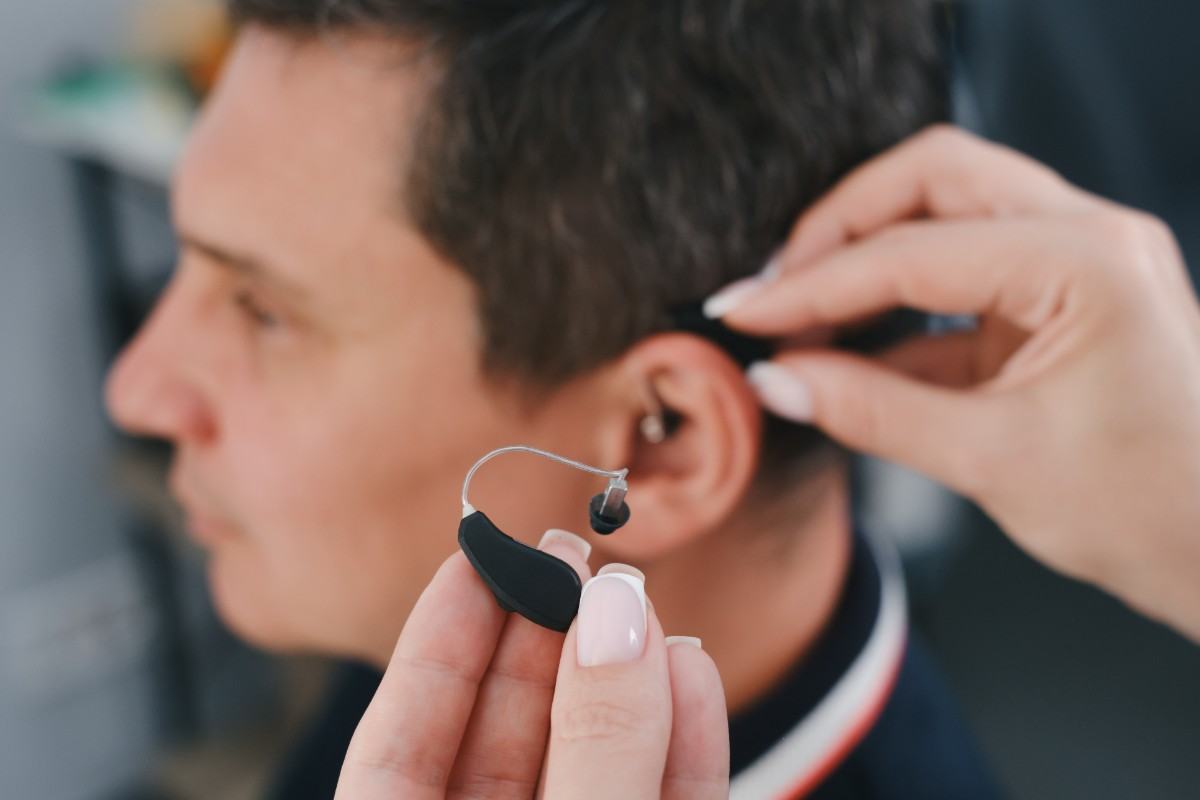
Choosing the Best Earplugs for Children with Sensory Needs
Many families know how a noisy room, a creaky house at night or a school assembly can overwhelm a child with sensory needs. Sound that others barely notice can feel intrusive, distracting or even painful for children with sensory processing differences, autism spectrum disorder, ADHD or auditory sensitivity. Good ear protection helps children feel calm, focus better during the day and sleep more soundly at night. It also supports learning, behaviour and overall wellbeing.
This guide explains how to choose earplugs for children with sensory needs. It covers different sensory profiles, how sound affects sleep, the benefits of custom earplugs, practical selection tips, care and safety, and how earLAB supports families in Australia.
Understanding Sensory Differences and Sound
Some children are hypersensitive to sound. They react strongly to everyday noises such as vacuum cleaners, alarms, loud classrooms or even people chewing. Others are hyposensitive and seek extra sensory input. Those children may prefer softer sounds but still benefit from consistent acoustic control to support focus.
Children with sensory processing issues can react in ways that look like behaviour problems. Avoidance, meltdown, withdrawal or refusal to participate often follow overstimulation. Reducing unwanted noise helps minimise these reactions and creates a steady environment where learning and rest become possible.
Why Sleep Matters for Children with Sensory Needs
Sleep affects attention, learning, mood and health. Poor sleep compounds sensory challenges. A child who wakes frequently or struggles to fall asleep will be more sensitive to sound the next day. Good sleep supports emotional regulation, memory consolidation and daytime coping skills. For many families, improving sleep creates immediate benefits for behaviour and learning.
Ear protection can play a key role in improving sleep. Reducing disruptive noise at bedtime and overnight helps children fall asleep faster and stay asleep longer. Custom earplugs designed for comfort during sleep avoid pressure points and encourage consistent use.
Why Custom Earplugs Work Best
Off-the-shelf plugs have their uses. Foam plugs and standard moulded plugs are cheap and widely available. They fit many people but often fail children with sensory needs for three reasons: comfort, fit and predictable attenuation. Poorly fitting plugs slip, feel intrusive or block important sounds such as a parent’s voice.
Custom earplugs solve these problems. They are made from impressions of the child’s ears and moulded in soft silicone for a gentle, reliable fit. Custom plugs sit comfortably and stay in place through sleep and movement. They deliver consistent and known sound reduction so you can choose how much background noise remains. Many families find children accept and keep custom plugs in place more easily than disposable variants.
Quality and Choice
earLAB is the sole Australian distributor of genuine UK-made ACS Custom products. We also work with a wide range of manufacturers and guarantee a high-quality impression process that meets your chosen manufacturer’s requirements. Our service remains honest and unbiased. We put your child’s needs first.
We recommend custom ear plug for children ages 10 and over, as they need to be able to sit still for us to take the ear impression. We uuse medically approved soft silicone in our custom plugs to ensure comfort and safety. If a specific manufacturer requests an open jaw impression using a one inch bite block, we accommodate that process. We also offer 3D scanning and provide STL files where required.
Impression taking at earLAB A good impression is the foundation of an effective custom earplug. At earLAB we use trained clinicians who take careful ear impressions using proven techniques. For children, we create a calm environment, explain each step and let parents stay close. Our aim is a comfortable, quick and accurate process.
Choosing the Right Attenuation Level
Not every child needs maximum noise reduction. For sleep, the aim is quieter background noise whilst allowing important signals, such as a parent calling or a smoke alarm, to remain audible.
Audiologists can recommend target attenuation levels and select materials and venting options to balance protection and awareness.
For children with severe sound sensitivity, higher attenuation may be appropriate for certain situations such as fireworks or loud events. For daily use and sleep, moderate attenuation often works better. A careful trial period helps you find the right balance.
Comfort and Wearability
Soft medical grade silicone reduces irritation and pressure. Custom plugs mould to the ear’s shape and avoid gaps. For sleep, low-profile designs and rounded edges stop pressure on pillows. Some designs include small vents to reduce the occlusion effect where the child hears their own voice as louder. For very young children, small sizes and careful monitoring are crucial.
Teaching Your Child to Use Earplugs
Introduce earplugs gradually and positively. Let your child handle the plugs, show them how to use them, and try them for short periods during calm activities. Use favourite stories or rewards to encourage use, or have them pick out a container they love to keep them in. Involve teachers and carers, and provide spare sets for school.
For children who resist inserting plugs, try using them during play or while watching a calm video. Praise and patience matter. Positive association beats force. Many families find that with a gentle approach, children soon accept custom plugs because they feel comfortable and help them avoid unpleasant sensations.
Safety Considerations
Custom plugs are safe when used appropriately, and are recommended for children aged 10 and older. They should be cleaned regularly with mild soap and water and stored in a protective case. Avoid pushing plugs too deep into the ear canal. If your child experiences pain, discharge or sudden hearing change, stop using the plugs and see a clinician.
Custom plugs are not a substitute for supervising smoke alarms or emergency alerts. Where necessary, choose devices with vents that let through critical sounds or use combined approaches like vibration alarms for night-time safety.
Practical Uses Beyond Sleep
Custom plugs work well at school, on planes, during family outings and at loud events. Children with sensory needs often benefit from predictable sound control in classrooms and playgrounds. They can improve concentration during lessons and reduce fatigue over a long school day.
Talk to your child’s teacher and support staff before using custom plugs at school. Share clear instructions about insertion, storage and hygiene. Provide spare plugs for class and a note explaining the purpose. A simple plan helps staff support your child consistently and confidently.
Pricing and Options
Ear impressions for custom ear plugs at earLAB are free of charge if you are choosing ASC plugs, and for other manufacturers the process costs $100. We also offer 3D scans which include an STL file. If impressions are taken by earLAB for manufacturers other than ASC, the 3D scan cost is $77. If you bring impressions from elsewhere, the 3D scan cost is $110. These options give flexibility for families and manufacturers who prefer digital workflows.
How earLAB Supports You and Your Child
At earLAB, we guide families through every step. We take careful impressions and explain material choices, vents and attenuation. We fit plugs from ACS Custom and other manufacturers, always following each maker’s specifications to deliver reliable results.
Choosing the right earplugs for a child with sensory needs means thinking about comfort, fit and the right level of noise reduction. Custom children’s earplugs deliver tailored protection that supports sleep, reduces daytime overstimulation and helps children participate more fully at school and home. If your child is aged 10 or older and struggles with sounds at night or during the day, a simple ear impression is a good place to start. Book your appointment today at out Footscray or Richmond clinic!
Lisa Wong
BHSc(Psych). DipNatHT. DipHDPE. CertAuralMicrosuction. AACAud
More Articles