Tinnitus
Understanding tinnitus
Have you ever noticed a ringing, buzzing, humming or hissing sound when there’s no obvious source around you?You may be experiencing tinnitus.
Ringing, buzzing or noises in your ears?
Tinnitus is the perception of sound when there isn't an external sound causing it. It can affect one or both ears, come and go, or be present continuously. For some people it's barely noticeable, while for others it can become frustrating or distracting.
There are many possible reasons why tinnitus occurs, and it can happen with or without hearing loss.
Understanding what you're experiencing — and checking your hearing — can be an important first step.

Everyone experiences tinnitus differently
Tinnitus can be faint or loud, occur in one or both ears, and sometimes feel as though the sound is coming from inside your head.
Some people also experience tinnitus alongside hearing difficulties or dizziness. You might hear:
- Ringing
- Buzzing
- Hissing
- Humming
- Whistling
- Clicking
- Whooshing
- Pulsing or throbbing sounds
What can cause tinnitus?
There isn't always one obvious cause of tinnitus. Some commonly associated factors include:
Tinnitus commonly occurs alongside hearing loss, although you can experience tinnitus even if your hearing appears normal.
Regular exposure to loud music, machinery, concerts or other noisy environments can affect the auditory system and may contribute to tinnitus.
A build-up of earwax can affect hearing and may be associated with tinnitus.
Problems affecting the ear can sometimes contribute to tinnitus symptoms.
Conditions affecting the inner ear can be associated with tinnitus.
Some medicines can contribute to tinnitus. If you think a medication may be affecting you, speak with your doctor or pharmacist before making any changes.
Tinnitus can sometimes be associated with head injuries or other medical conditions.

What’s the connection to hearing loss?
Tinnitus and hearing loss often occur together, but they're not the same thing.Some people with tinnitus have measurable hearing changes, while others have hearing within the normal range.
Because hearing changes can develop gradually, you may not always realise that your hearing has changed.
That's why checking your hearing can be useful if you're experiencing ongoing or bothersome tinnitus.
When should you have your hearing checked?
If you've noticed tinnitus, it can be worth having your hearing checked — particularly if the sounds are persistent, changing or affecting your everyday life.
You may want to consider a hearing test if:

Ongoing ringing or buzzing
Any irregular sounds that continue to occur over a period of time.

You notice changes in your hearing
You feel that sounds or speech aren't as clear as they used to be.

You have regular exposure to loud noises
Working in high-noise environments can lead to a higher risk of tinnitus.

Your individual circumstances
Your lifestyle, noise exposure, health history and other factors can all help your audiologist understand your tinnitus and develop an appropriate management approach.
What can help with tinnitus?
What helps with tinnitus depends on the individual, what's contributing to it and how much it is affecting everyday life.
Some people find that their tinnitus becomes less noticeable over time. Others may benefit from strategies that make tinnitus easier to manage.
Depending on the cause and your individual circumstances, options may include:
If tinnitus occurs alongside hearing loss, addressing the hearing loss may help reduce how noticeable the tinnitus feels for some people.
Hearing aids can improve access to sounds around you and may help reduce the contrast between tinnitus and the surrounding environment.
Protecting your hearing from excessive noise is important. Using appropriate hearing protection in loud environments can help protect your ears from further noise exposure.
Sound therapy involves introducing external sounds that can make tinnitus less noticeable or easier to live with.
This can range from everyday background sounds to specific sound-based approaches.
Stress can make tinnitus feel more noticeable for some people. Relaxation, good sleep habits and finding ways to manage stress may help.
If tinnitus is persistent, distressing or affecting your wellbeing, talking to your GP or another appropriate health professional can help you explore further support.
There isn't a single approach that works for everyone, so understanding the factors involved in your individual experience is important.
Take the first step towards understanding your tinnitus
You don't have to simply put up with ringing, buzzing or other unwanted sounds in your ears.
Why choose earLAB?
When it comes to your ear and hearing health, you need a team you can trust. As a leading independent Audiology clinic, we combine years of clinical experience with a patient-first approach to provide exceptional care for all your hearing needs.
Expert Care from Qualified Audiologists
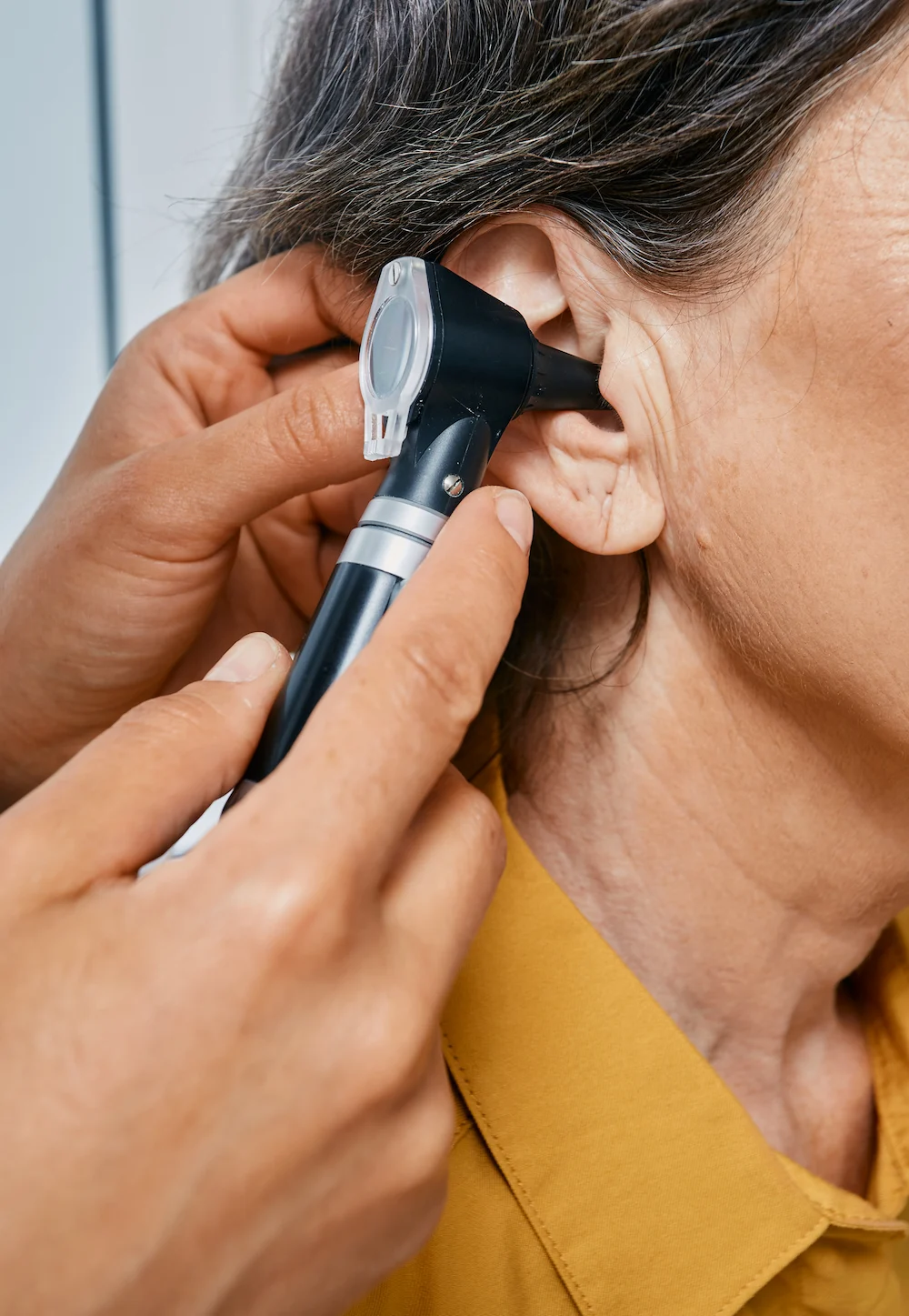
All services at earLAB are provided by qualified and highly trained audiologists. Unlike many competitors, our staff are specialists in ear wax management, comprehensive hearing assessments, and hearing rehabilitation. This ensures you receive the most accurate diagnosis and effective treatment from the moment you walk through our doors.

Ethical, Unbiased Service
Our commitment is to your health, not sales targets. earLAB staff are not incentivised by commissions, and we do not purchase products in bulk. This means you get unbiased recommendations tailored specifically to your needs, without any pressure to buy unnecessary products. We believe in providing the right solution for you, every time.
Our Clinics
Visit us at our two convenient clinic locations. Our experienced clinicians are here to support you with microsuction earwax removal, hearing assessments, hearing aid fittings, and custom ear impressions.