Swimmer’s Ear
Understanding swimmer’s ear & surfer’s ear
If you spend time in the water, whether you're a casual weekend swimmer or a dedicated surfer, you're at risk of swimmer's ear and surfer's ear. Here’s what they are, and what to do, from our Richmond and Footscray audiology clinics.
What is swimmer's and surfer’s ear?
While both conditions start with water and both affect your ears, but they’re very different.
Swimmer's ear, medically known as otitis externa, is an infection of the outer ear canal (the path that runs from your eardrum to the outside of your head).
Surfer's ear, or exostosis, is entirely different. It isn't an infection; it’s a slow, progressive physical change where the body attempts to protect the delicate eardrum by growing new, abnormal bone tissue within the ear canal, making it harder for water to drain, easier for wax to get trapped, and potentially leading to permanent hearing loss.
While our team does not treat ear infections or structural conditions, we specialise in helping you prevent them. Our experienced audiologists provide professional impressions for custom-fitted earplugs for both children and adults. Because they are moulded exactly to your ear shape, they offer a level of comfort, seal, and reliability that standard off-the-shelf options simply cannot match.

How to tell if you have swimmer’s ear
Swimmer's ear is fast, uncomfortable and hard to ignore
Tinnitus commonly occurs alongside hearing loss, although you can experience tinnitus even if your hearing appears normal.
Regular exposure to loud music, machinery, concerts or other noisy environments can affect the auditory system and may contribute to tinnitus.
A build-up of earwax can affect hearing and may be associated with tinnitus.
Problems affecting the ear can sometimes contribute to tinnitus symptoms.
How to tell if you surfer’s ear
Surfer's ear is slow to develop and easy to miss
Tinnitus commonly occurs alongside hearing loss, although you can experience tinnitus even if your hearing appears normal.
Regular exposure to loud music, machinery, concerts or other noisy environments can affect the auditory system and may contribute to tinnitus.
A build-up of earwax can affect hearing and may be associated with tinnitus.
Problems affecting the ear can sometimes contribute to tinnitus symptoms.
What causes swimmer’s ear?
Cold ocean water
Exposing your ears to icy water regularly cause the bone in your ear canal to thicken to protect the eardrum.
Skin conditions
Eczema, psoriasis and dermatitis make the ear canal fragile and more likely to get infected.
Wind chill
Your ears can suffer even when you stay above the water. Kitesurfers, windsurfers and sailors face constant wind and spray. As that water evaporates, it cools the ear canal enough to trigger bone growth.
Other cold water sports
Surfers aren't the only ones at risk. Divers, kayakers, bodyboarders, stand up paddleboarders and kitesurfers all expose their ears to the same cold conditions.
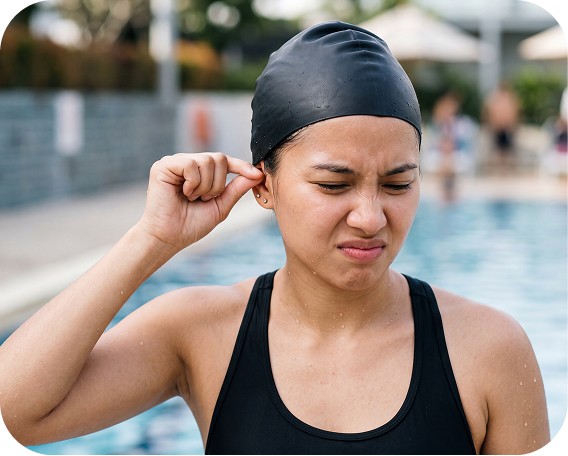

What causes surfer’s ear?
Stormwater and dams
Heavy rain washes bacteria into bays. Meanwhile, lakes, rivers and dams such as Lake Eildon warm up quickly in summer. Both help bacteria multiply, and both commonly trigger swimmer's ear.
Chlorinated and heated pools
Chlorine strips away the waxy layer that protects your ear canal and leaves the skin dry and cracked. Warm, humid indoor pools and spas then give bacteria such as Pseudomonas aeruginosa an easy place to thrive.
Cotton buds and earbuds
Cotton buds and fingers scratch the delicate skin inside your ear and push wax deeper. Earbuds and hearing aids worn for long periods also trap heat and moisture, especially when you don't clean them regularly.
Trapped water
Water left sitting in your ear canal after a swim, shower or bath softens the skin and washes away protective wax. If you don't dry your ears properly, bacteria and fungi get the warm, damp conditions they need.
When should you have your hearing checked?
If you've noticed tinnitus, it can be worth having your hearing checked — particularly if the sounds are persistent, changing or affecting your everyday life.
You may want to consider a hearing test if:

Ongoing ringing or buzzing
Any irregular sounds that continue to occur over a period of time.

You notice changes in your hearing
You feel that sounds or speech aren't as clear as they used to be.

You have regular exposure to loud noises
Working in high-noise environments can lead to a higher risk of tinnitus.

Your individual circumstances
Your lifestyle, noise exposure, health history and other factors can all help your audiologist understand your tinnitus and develop an appropriate management approach.
What can help with tinnitus?
What helps with tinnitus depends on the individual, what's contributing to it and how much it is affecting everyday life.
Some people find that their tinnitus becomes less noticeable over time. Others may benefit from strategies that make tinnitus easier to manage.
Depending on the cause and your individual circumstances, options may include:
If tinnitus occurs alongside hearing loss, addressing the hearing loss may help reduce how noticeable the tinnitus feels for some people.
Hearing aids can improve access to sounds around you and may help reduce the contrast between tinnitus and the surrounding environment.
Protecting your hearing from excessive noise is important. Using appropriate hearing protection in loud environments can help protect your ears from further noise exposure.
Sound therapy involves introducing external sounds that can make tinnitus less noticeable or easier to live with.
This can range from everyday background sounds to specific sound-based approaches.
Stress can make tinnitus feel more noticeable for some people. Relaxation, good sleep habits and finding ways to manage stress may help.
If tinnitus is persistent, distressing or affecting your wellbeing, talking to your GP or another appropriate health professional can help you explore further support.
There isn't a single approach that works for everyone, so understanding the factors involved in your individual experience is important.
Take the first step towards understanding your tinnitus
You don't have to simply put up with ringing, buzzing or other unwanted sounds in your ears.
Why choose earLAB?
When it comes to your ear and hearing health, you need a team you can trust. As a leading independent Audiology clinic, we combine years of clinical experience with a patient-first approach to provide exceptional care for all your hearing needs.
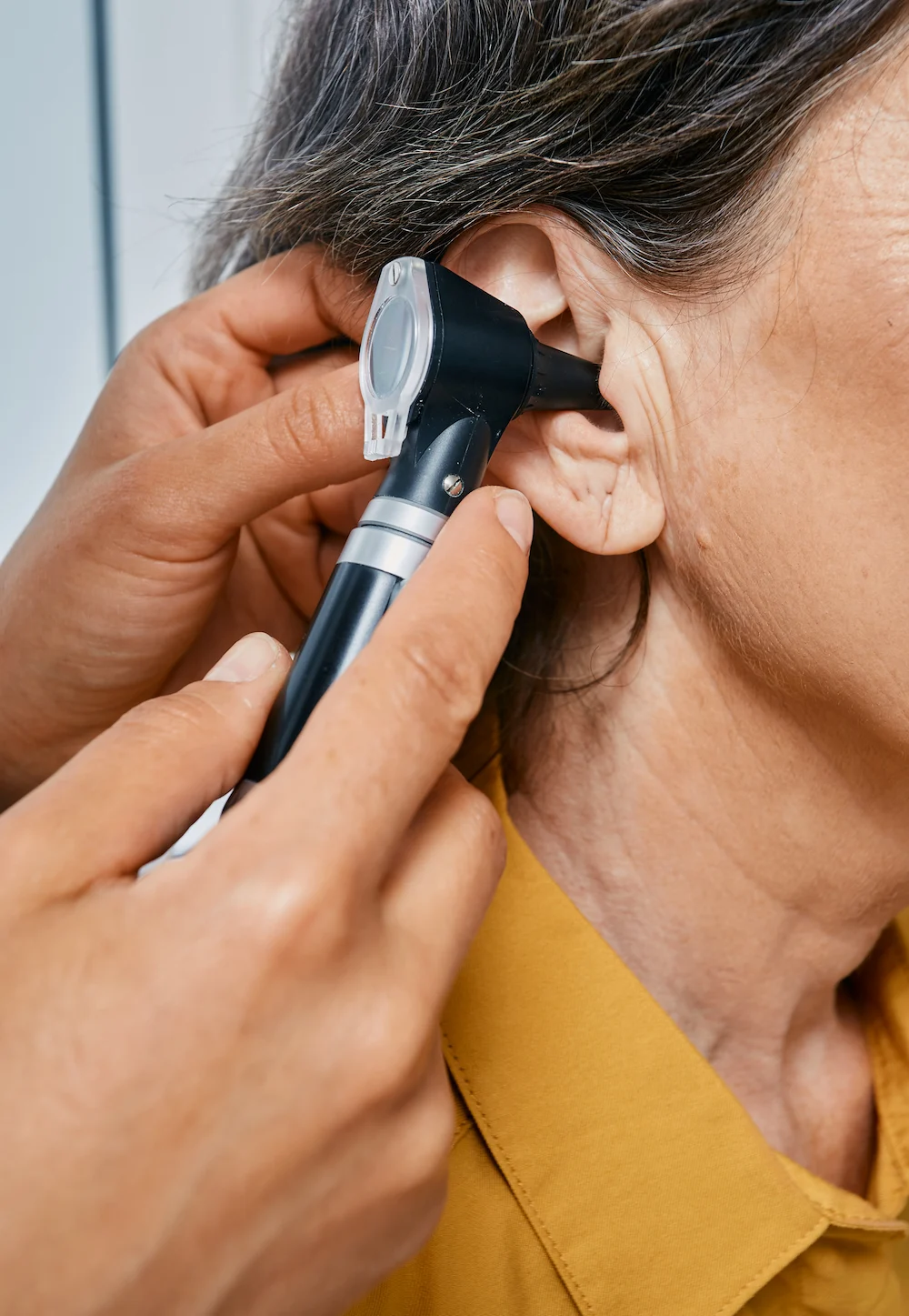
Expert Care from Qualified Audiologists
All services at earLAB are provided by qualified and highly trained audiologists. Unlike many competitors, our staff are specialists in ear wax management, comprehensive hearing assessments, and hearing rehabilitation. This ensures you receive the most accurate diagnosis and effective treatment from the moment you walk through our doors.

Ethical, Unbiased Service
Our commitment is to your health, not sales targets. earLAB staff are not incentivised by commissions, and we do not purchase products in bulk. This means you get unbiased recommendations tailored specifically to your needs, without any pressure to buy unnecessary products. We believe in providing the right solution for you, every time.
Our Clinics
Visit us at our two convenient clinic locations. Our experienced clinicians are here to support you with microsuction earwax removal, hearing assessments, hearing aid fittings, and custom ear impressions.